


Treatment follows the same principles as at any age, and it does not mean that a mastectomy will necessarily be needed. What changes is what the work-up must also take into account: often dense breasts, a possible genetic predisposition, your fertility, a future pregnancy plan, and your personal and working life.
This article is based in particular on the SENORIF 2025-2026 guidelines.
You have just learned that you have breast cancer, at an age when this diagnosis is uncommon?
Bring the biopsy report and the images. Dr Jérémie Zeitoun, surgical oncologist and breast surgeon, sees you at the practice at 241 rue du Faubourg Saint-Honoré (Paris 8th) and at Clinique Hartmann (Neuilly-sur-Seine). Surgery takes place at Clinique Hartmann.
A video consultation is possible. You can book an appointment on Doctolib or request a callback from the secretariat.
What breast cancer before 40 means
In 2023, about 5% of breast cancers diagnosed in women in France concerned women under 40. This number has increased: the registries estimated 2,095 in 1990 and 3,114 in 2023.
The rise is not only due to population growth: the incidence rate itself is increasing, on average by 1.5% per year in women aged 30 and by 0.9% per year in women aged 40 between 1990 and 2023. Nor is it explained by organised mammogram screening, which only concerns women aged 50 to 74.
How it is discovered
The cancer is most often discovered because you felt a lump, noticed a change in the breast or nipple, or during imaging done for another reason, for example before cosmetic breast surgery.
What guides treatment
Young age alone does not require a mastectomy, that is, removal of the breast gland. Treatment is based on the characteristics of the tumour: its type, its size, any involvement of the lymph nodes, the hormone receptors and the HER2 protein.
In young women, several points are added:
- imaging takes into account often dense breasts;
- a cancer genetics consultation is indicated;
- fertility and contraception are discussed before systemic treatment;
- if hormone therapy is needed, it may be combined with ovarian suppression, that is, putting the ovaries temporarily at rest.
Forms seen a little more often before 40
Some forms, such as triple-negative cancer or cancer with an excess of the HER2 protein, are seen a little more often before 40.
Where the exact type is given
The exact type of your tumour is given in the pathology report, after the biopsy and then after the operation.
Diagnosis: lump, imaging, biopsy
When to see a doctor
In a young woman, a breast lump is most often benign. It can also be a cancer. See a doctor without delay if you have a new lump, skin or nipple retraction, bloody nipple discharge, persistent redness, or a lymph node in the armpit.
Imaging
Before 40, the breasts are frequently dense: the gland can hide an abnormality on a mammogram. Breast ultrasound, performed by the radiologist, is therefore particularly useful.
The work-up includes a mammogram and an ultrasound of both breasts and both armpits, especially in the case of invasive cancer, whose cells have crossed the wall of the ducts, or of extensive ductal carcinoma in situ. A breast MRI, magnetic resonance imaging, is offered before 40 to define the extent of the lesion and look for other foci; contrast-enhanced mammography, a mammogram with injection of a contrast agent, can replace it.
The abnormality, both breasts, the lymph nodes
These examinations look at the abnormality — a mass, a distortion or a focus of microcalcifications —, the rest of the breast, the other breast and the lymph nodes. An image classified ACR 4 or ACR 5 indicates that a sample is needed; it is not yet a diagnosis.
Diagnosis under the microscope
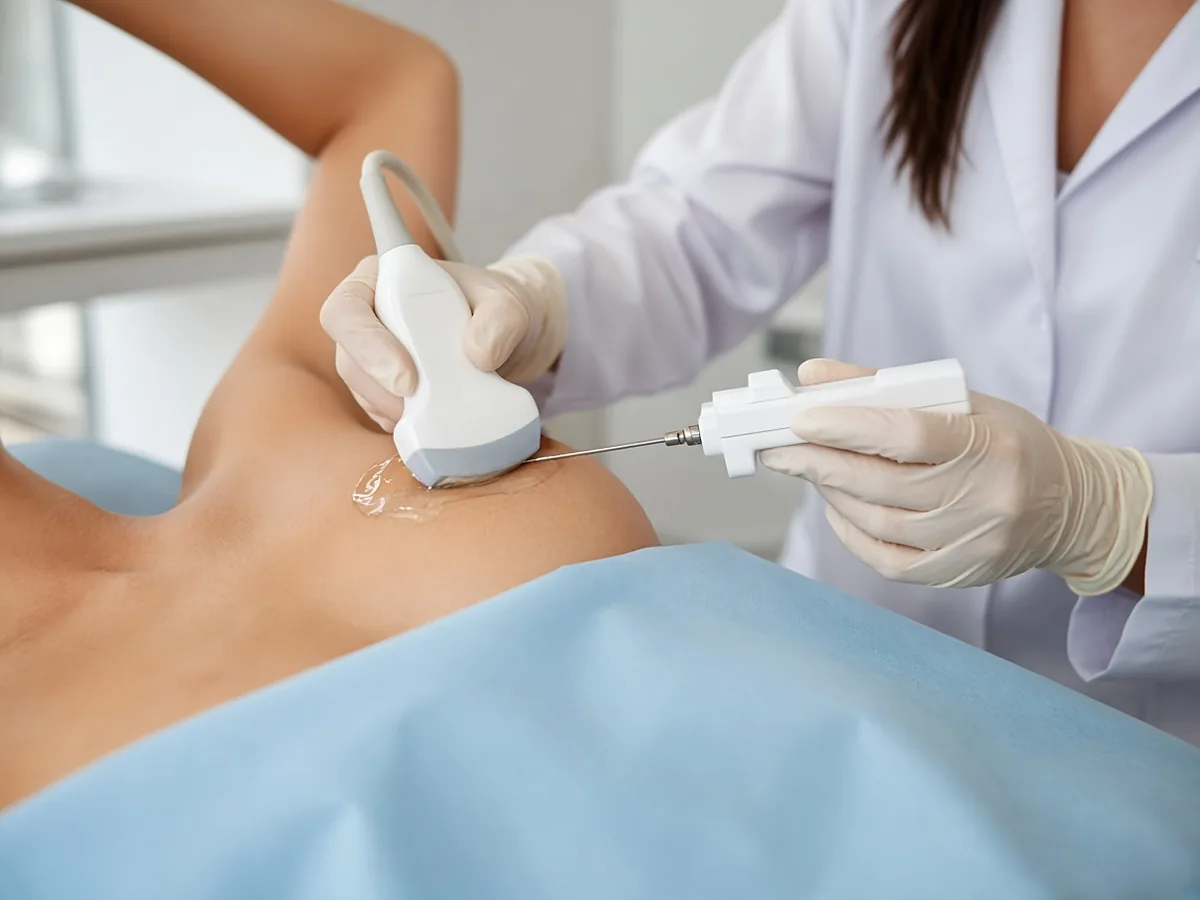
The diagnosis relies on a core needle biopsy, performed by the radiologist under local anaesthesia. The surgeon then sees you, with the reports and the images.
The analysis specifies whether the lesion is in situ or invasive, its grade, and the markers studied by immunohistochemistry, a staining of the cells under the microscope: hormone receptors and HER2 protein. The time to get the result depends on the laboratory.
The cancer genetics consultation

Breast cancer diagnosed before age 41 is an indication for a cancer genetics consultation. Other situations also lead to it, in particular triple-negative cancer before 61 or several family cases of breast or ovarian cancer.
The genes analysed
The analysis covers a set of genes, including BRCA1 and BRCA2 and PALB2. When it is positive, it sometimes guides treatment and opens a discussion about a preventive mastectomy of the other breast. It is never an obligation; the decision can be made at a distance from treatment.
The ovaries and fallopian tubes
It also raises, if necessary, the question of preventive removal of the ovaries and fallopian tubes. Its indication and timing depend on the age at diagnosis and the gene involved: the guidelines offer it at 40 in the case of a BRCA1 mutation, it can be postponed to 45 for BRCA2, and it is offered at menopause, around 50 to 55, for PALB2.
Informing and testing the family
If the result shows an alteration of BRCA1 or BRCA2, your relatives can be informed and tested. A patient free of any cancer in whom such an alteration is identified can benefit from adapted surveillance.
See positive BRCA result. When a mutation would change the surgical choice, the consultation is requested urgently.
Preserving fertility before systemic treatment
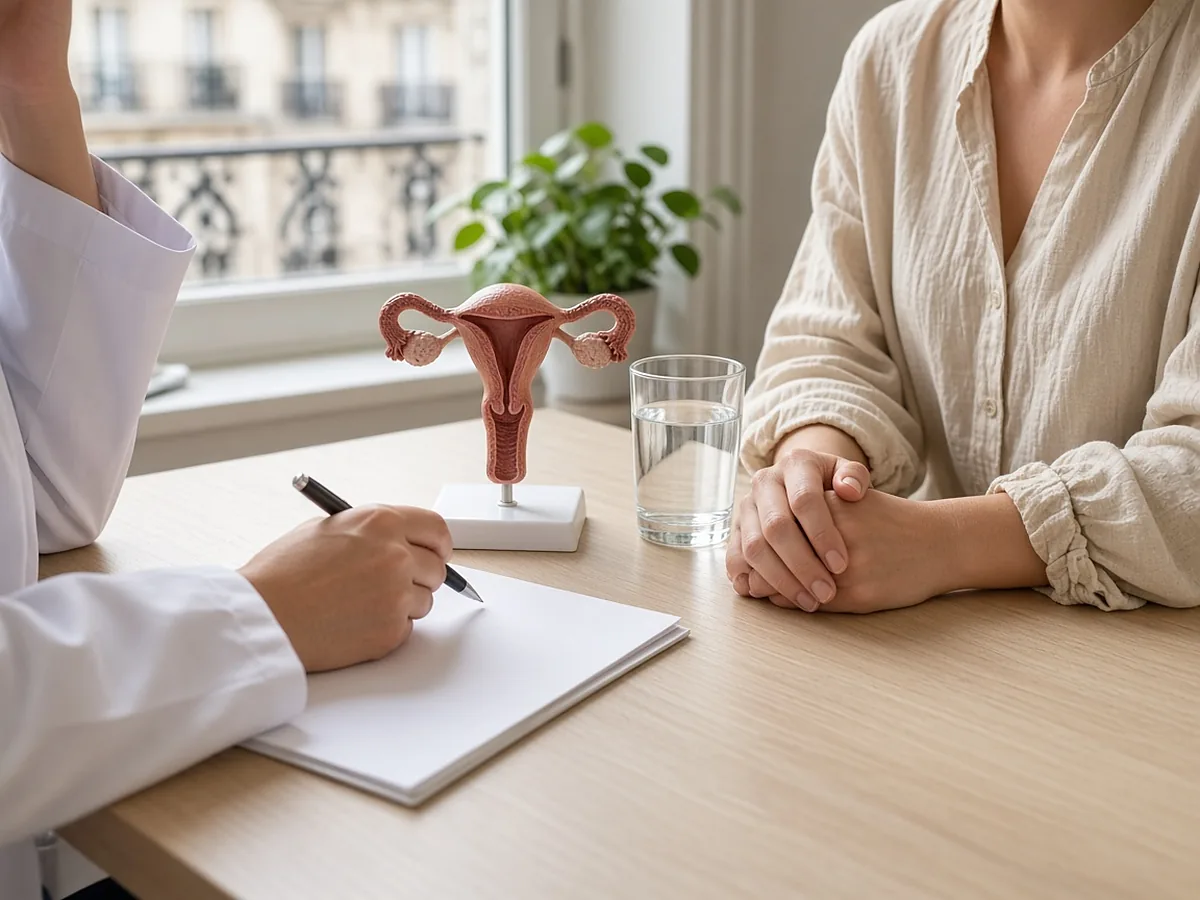
Chemotherapy can reduce the number of follicles in the ovary. This effect depends on the drugs, the dose and your age; it is more marked after 35. Amenorrhoea, the absence of periods, does not reflect the ovarian reserve.
The oncofertility consultation
The guidelines require that women of childbearing age be systematically informed, whether or not they already have a plan to have children. An oncofertility consultation is offered to those who wish it, as early as possible and before the start of systemic treatment. If preservation is considered, it is planned without delaying cancer care.
The technique most often discussed is cryopreservation, preservation by freezing, of mature eggs or embryos after ovarian stimulation. In the case of hormone-sensitive cancer, stimulation is discussed case by case, often after surgery.
An LH-RH agonist
An LH-RH agonist is a drug that puts the ovaries at rest. Prescribed during chemotherapy, it makes the ovaries less active at the time they are exposed to its toxicity.
The aim is to better protect their function: periods are more likely to return after treatment, and the chances of a later pregnancy increase, with reassuring data regarding the cancer. The monthly injections start at least one week before the first chemotherapy and continue until two weeks after the last.
Fertility preservation and the choice between conserving the breast or performing a mastectomy are discussed now, before systemic treatment.
Dr Zeitoun examines the breasts, reviews the imaging and explains the surgical options to you. He makes sure that oncofertility and, if indicated, cancer genetics are organised in time. Appointment on Doctolib, video consultation or request a callback from the secretariat.
Pregnancy after treatment
Pregnancy can be considered after localised breast cancer that has been treated and is in complete remission. The guidelines recommend waiting at least two to three years after the end of treatment, depending on your age, the hormone receptors and any lymph node involvement, after the opinion of a multidisciplinary team meeting. Pregnancy is not a risk factor for recurrence.
On hormone therapy
When hormone therapy is indicated, a pause can be considered after 18 to 24 months of treatment, and hormone therapy is then resumed once the pregnancy plan is completed. This pause does not appear to increase the risk of recurrence. If a pregnancy does not occur after six months of trying, referral to an assisted reproduction centre is discussed, in particular to use the eggs or embryos that were preserved.
Contraception during and after treatment
Effective contraception
Pregnancy must be avoided during treatment. Effective contraception is therefore necessary, even when periods have stopped: the absence of periods does not protect against pregnancy. This contraception continues after treatment, until the team following you agrees to a pregnancy plan.
Without hormones
All hormonal contraception is contraindicated, including a hormonal IUD. A copper intrauterine device, condoms, or sterilisation for contraceptive purposes, after the reflection period required by law, can be offered.
Surgery: lumpectomy or mastectomy

Young age is not, on its own, a contraindication to conserving the breast.
Conserving the breast
The first-line treatment, when it is feasible, is a lumpectomy, removal of the tumour while conserving the breast, followed by radiotherapy. Oncoplasty can be combined with it: it removes the tumour and reshapes the breast at the same time. In return, irradiation of the breast is then necessary.
The choice between lumpectomy and mastectomy depends on the size of the tumour, the number of foci, genetics — a possible mutation — and what you wish. When the lesion cannot be felt, a preoperative localisation is organised by the radiologist.
Mastectomy and reconstruction
A mastectomy is discussed if the lesions are too extensive, if there are several distant foci, if radiotherapy is not possible, or if you prefer it. An immediate reconstruction, a delayed reconstruction or a flat closure can be offered.
It is not compulsory. The techniques — implant, flaps including the DIEP performed with a plastic surgeon colleague, or lipofilling — are described on the breast reconstruction page.
Preserving the NAC
Preservation of the nipple-areola complex (NAC), the nipple and the areola, is possible in some mastectomies, when the distance between the lesion and the NAC allows it. A NAC that cannot be preserved must be sacrificed. See preservation of the nipple-areola complex.
The lymph nodes
Surgery on the lymph nodes depends on the imaging of the armpit. The sentinel lymph node, the first relay of lymph from the breast, is most often sought. See lymphoedema prevention and recovery after surgery. Dr Zeitoun practises in Sector 2 (non-OPTAM) and charges fees above the French Social Security rate for all consultations and procedures. Most international patients are not covered by French Social Security. A detailed quote is given during the consultation, before any procedure. If you are covered, the Assurance Maladie reimburses on the basis of the Social Security rate, and your health insurance may cover all or part of the additional fees, depending on your policy.
Systemic treatments and hormone therapy

Systemic treatment — chemotherapy, hormone therapy, immunotherapy or targeted therapy — and radiotherapy are discussed at a multidisciplinary team meeting.
Chemotherapy
Chemotherapy is often discussed in young women, especially in the case of a high-grade tumour, lymph node involvement or a triple-negative or HER2-positive form. It can be given after the operation, or before: this is called neoadjuvant chemotherapy. It must not start before fertility has been addressed.
Hormone therapy
If the tumour has hormone receptors, hormone therapy is offered, generally for five years, sometimes longer. In a woman who is not menopausal, two options are discussed: tamoxifen, alone or combined with ovarian suppression by an LH-RH agonist; or an aromatase inhibitor combined with ovarian suppression, recommended when chemotherapy is indicated or in the case of high clinical risk. Ovarian suppression stops periods for the duration of treatment; hot flushes and vulvovaginal dryness are common.
Genomic test, targeted therapy, immunotherapy
A genomic test can, in some hormone-sensitive cancers, help estimate the benefit of chemotherapy. Targeted therapy or immunotherapy is discussed according to the type of tumour.
Personal and working life

Breast cancer at this age often comes in the middle of studies, a job, a relationship or bringing up young children. Fatigue, changes in body image, the effects of a temporary menopause and changes in sexual life are common; they can be managed, including through onco-sexology.
Sick leave is often needed around the operation and during chemotherapy. Psychological support can be offered.
Follow-up after treatment
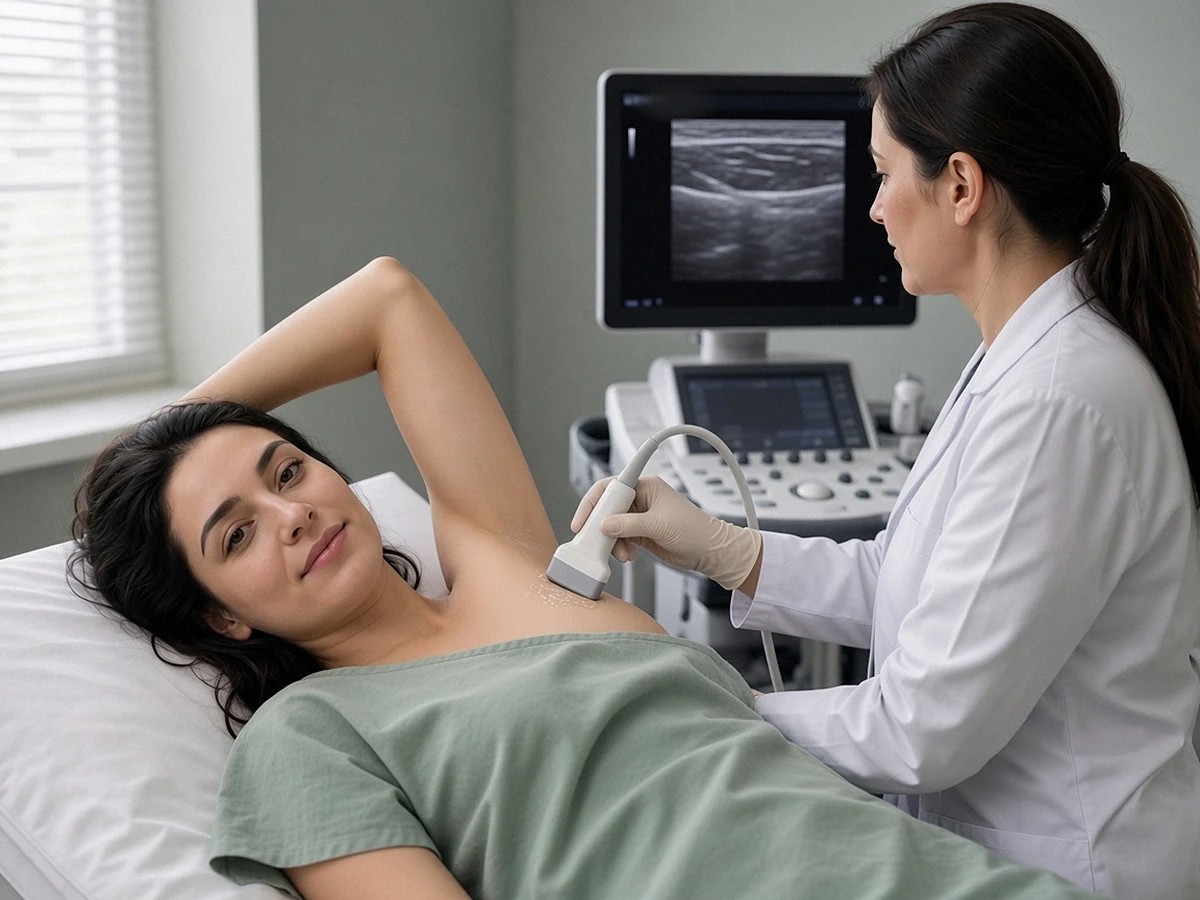
Follow-up includes a clinical examination every six months for five years, then once a year, an annual mammogram for life, and an annual ultrasound, particularly useful when the breasts are dense. No whole-body imaging is routine in the absence of symptoms. On tamoxifen, a pelvic ultrasound is not routine, unless there are symptoms.
When to get in touch without waiting
Report without waiting a new lump, a change in the scar, a lymph node, persistent bone pain or an unusual cough.
What you should expect from the consultation
The first consultation is used to review the file, examine you and make the decisions that should not wait: the type of operation, a possible reconstruction, oncofertility, cancer genetics and the timing of any chemotherapy. Bring the biopsy report and the images. See preparing your first consultation, second opinion and choosing a breast surgeon in Paris.
Where the consultation and surgery take place
Dr Zeitoun sees you at 241 rue du Faubourg Saint-Honoré (Paris 8th) and at Clinique Hartmann (Neuilly-sur-Seine).
Do you still have questions about a later pregnancy, the timing of treatment or follow-up?
Dr Zeitoun can go over the work-up and the treatment schedule with you. Video consultation, appointment on Doctolib, or request a callback from the secretariat.
Frequently asked questions
Do I necessarily need a mastectomy because I am young?
No. Age alone does not require a mastectomy. When it is feasible, the first-line treatment is a lumpectomy followed by radiotherapy. See lumpectomy or mastectomy.
Is breast cancer more common than before in young women?
Yes. In France, the incidence rate in women aged 30 rose from 16.1 to 26.3 cases per 100,000 women per year between 1990 and 2023, and from 98.7 to 131.2 in women aged 40.
When should fertility preservation be discussed?
Before the start of systemic treatment, and as early as possible after diagnosis, in an oncofertility consultation.
Will I be able to have a child after treatment?
Yes, after localised breast cancer that has been treated and is in complete remission, generally after waiting two to three years and after the opinion of a multidisciplinary team meeting. Pregnancy does not increase the risk of recurrence.
Which contraception during treatment?
All hormonal contraception is contraindicated. A copper intrauterine device or condoms can be offered. The absence of periods is not enough.
Should I have a genetic test?
Breast cancer before 41 is an indication for a cancer genetics consultation. The analysis concerns in particular the BRCA1 and BRCA2 and PALB2 genes.
Can I ask for a second opinion?
Yes. It does not delay treatment when it is organised quickly. See second opinion for breast cancer.
What are Dr Zeitoun’s fees?
Dr Zeitoun practises in Sector 2 (non-OPTAM) and charges fees above the French Social Security rate for all consultations and procedures. Most international patients are not covered by French Social Security. A detailed quote is given during the consultation, before any procedure. If you are covered, the Assurance Maladie reimburses on the basis of the Social Security rate, and your health insurance may cover all or part of the additional fees, depending on your policy.
Sources
This article is based in particular on the SENORIF 2025-2026 guidelines.
- SENORIF 2025-2026 guidelines — Breast cancers and breast diseases: diagnostic and therapeutic approaches. Indications for a cancer genetics consultation (breast cancer before 41); prophylactic salpingo-oophorectomy according to the gene (BRCA1 at 40, BRCA2 up to 45, PALB2 at menopause, 50-55); imaging work-up and MRI before 40; breast-conserving surgery as first line when feasible; hormone therapy in premenopausal women and ovarian suppression; fertility, oncofertility and LH-RH agonist during chemotherapy; pregnancy after breast cancer; contraception (contraindication of all hormonal contraception); surveillance after the early phase. Public page of the guidelines: https://curie.fr/senorif-le-referentiel-de-traitement-des-cancers-et-pathologies-du-sein
- Pujol P. et al. — Increasing incidence of breast cancer in young women over time. The Breast, 2025 (doi: 10.1016/j.breast.2025.104555). Francim registries, in partnership with Santé publique France, INCa and Hospices civils de Lyon: in women, incidence at age 30 rose from 16.1 to 26.3 per 100,000 person-years (+1.5% per year) and at age 40 from 98.7 to 131.2 (+0.9% per year) between 1990 and 2023. https://pmc.ncbi.nlm.nih.gov/articles/PMC12351116/
- Francim / Santé publique France / INCa data, presented at the SFSPM 2024 congress (Loire-Atlantique and Vendée cancer registry) — number of breast cancers in women under 40: 2,095 in 1990, 2,695 in 2010, 3,114 in 2023, i.e. about 5% of cases in 2023. https://www.registre-cancers-44-85.fr/wp-content/uploads/2024/11/Incid-CancerSein-SFSPM2024-FM.pdf
- Santé publique France — Breast cancer, data: steady increase in incidence in women aged 30 and 40 between 1990 and 2023. https://www.santepubliquefrance.fr/cancer-du-sein/donnees
- Paluch-Shimon S. et al. — ESO–ESMO fifth international consensus guidelines for breast cancer in young women (BCY5). Annals of Oncology, 2022. https://www.annalsofoncology.org/article/S0923-7534(22)01858-0/fulltext
- Partridge A.H. et al. — Interrupting Endocrine Therapy to Attempt Pregnancy after Breast Cancer (POSITIVE trial). New England Journal of Medicine, 2023. https://www.nejm.org/doi/full/10.1056/NEJMoa2212856
- French National Authority for Health (HAS) — Breast reconstruction or flat chest: your wishes and options, 29 March 2023. https://www.has-sante.fr/jcms/p_3351381/fr/reconstruction-mammaire-ou-buste-plat-vos-souhaits-et-options