
Breast · Oncogenetics
A PALB2 variant:
what it changes
This page is for people who carry a pathogenic PALB2 variant, and for their relatives: what the result changes for risk, surveillance and preventive options.
This page is for people who carry a pathogenic PALB2 variant, and for their relatives: what the result changes for risk, surveillance and preventive options.
Bring the genetics report and your imaging.
The recommendations followed here are those of the SENORIF 2025-2026 guideline, in line with the French National Authority for Health (HAS) and the French National Cancer Institute.
PALB2 is one of the genes looked for in a breast and ovarian genetic test, together with BRCA1 and BRCA2. To see when an oncogenetics consultation is offered, read hereditary breast and ovarian risk.
A variant of uncertain significance does not, on its own, justify a bilateral preventive mastectomy. The laboratory and the geneticist say whether it can be reclassified. Until it is, care is not that of a pathogenic variant.
Keep it, and your imaging if you have any. No decision has to be made on the day of the result. The consultation is where the report is read again alongside your scans.

When PALB2 does not work properly, the risk of some cancers, especially breast cancer, rises. That is why it is among the genes analysed in a breast and ovarian genetic test.
The variant is present from birth. It is looked for on a blood sample, not on a tumour. If a breast cancer has already been diagnosed, that cancer is treated, and prevention for the years ahead is organised as well.
A pathogenic variant raises risk. It does not mean a cancer is already there, or that one will certainly occur. It can come from the father or the mother. A child has a one in two chance of inheriting it.

These figures describe a risk over a lifetime. They do not predict what will happen to one person.
French recommendations estimate the risk of ovarian cancer at 5% by age 80 (2%–10%), against 1.1% by age 74 in the general population. Moderate, here, means higher than in the general population, and well below the risk linked to a BRCA1 mutation: it is discussed, without a rushed decision.
According to US recommendations, the risk of pancreatic cancer is 2% to 5%, against 1% to 2% in the general population. Limited means this risk stays close to that of the general population: screening does not apply to every carrier. It is discussed above all when there is a pancreatic cancer in the family.
In men, according to these recommendations, the risk of breast cancer is 0.9% by age 70, against about 0.1% in the general population. Low means this risk stays small over a lifetime: it is higher than in the general population, without the same follow-up as in women. A yearly mammogram can be discussed from age 50, or 10 years before the youngest known male breast cancer in the family, whichever comes first. Men can also pass the variant on.
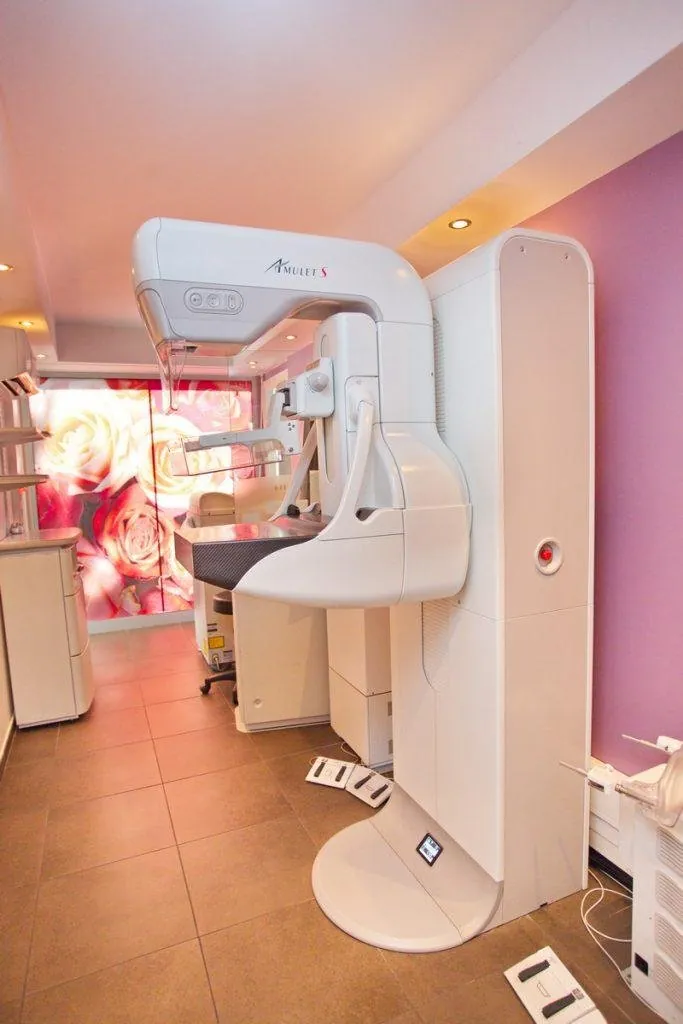
For a woman who carries a pathogenic PALB2 variant, French recommendations describe the follow-up below. The same table applies to BRCA1 and BRCA2. The sequence starts with breast MRI, then the mammogram, with or without ultrasound, within two months, in the same centre. Ultrasound is left to the radiologist’s judgement.
A normal examination does not promise there will be no cancer the following year. An abnormal result often leads to a biopsy, which can be benign. The schedule is decided with the doctor who follows the screening and with the genetics report.

“Preventive” does not mean compulsory. French recommendations place bilateral preventive mastectomy among the options to discuss, with immediate reconstruction possible. Surveillance remains an acceptable decision, which can be reviewed later.
In a woman who has not had breast cancer, bilateral preventive mastectomy lowers the risk. French recommendations judge the benefit-to-risk balance debatable before 30, worthwhile between 30 and 65, and low after 65. Before 30, the risk of cancer in the coming years is still low, and there is time to talk. Between 30 and 65 is the period when the operation prevents the most cancers. After 65, a large part of the risk has already passed, so the operation brings less. After mastectomy, the risk of cancer that remains is below 2%. If a breast cancer has already been treated, mastectomy of the other breast is discussed according to the prognosis; that reflection can be separated from the time of treatment. The technique and nipple preservation are set out on the page preventive mastectomy; the choice between surveillance and surgery, in the article bilateral preventive mastectomy. Immediate reconstruction is possible; the techniques are chosen before the operation.
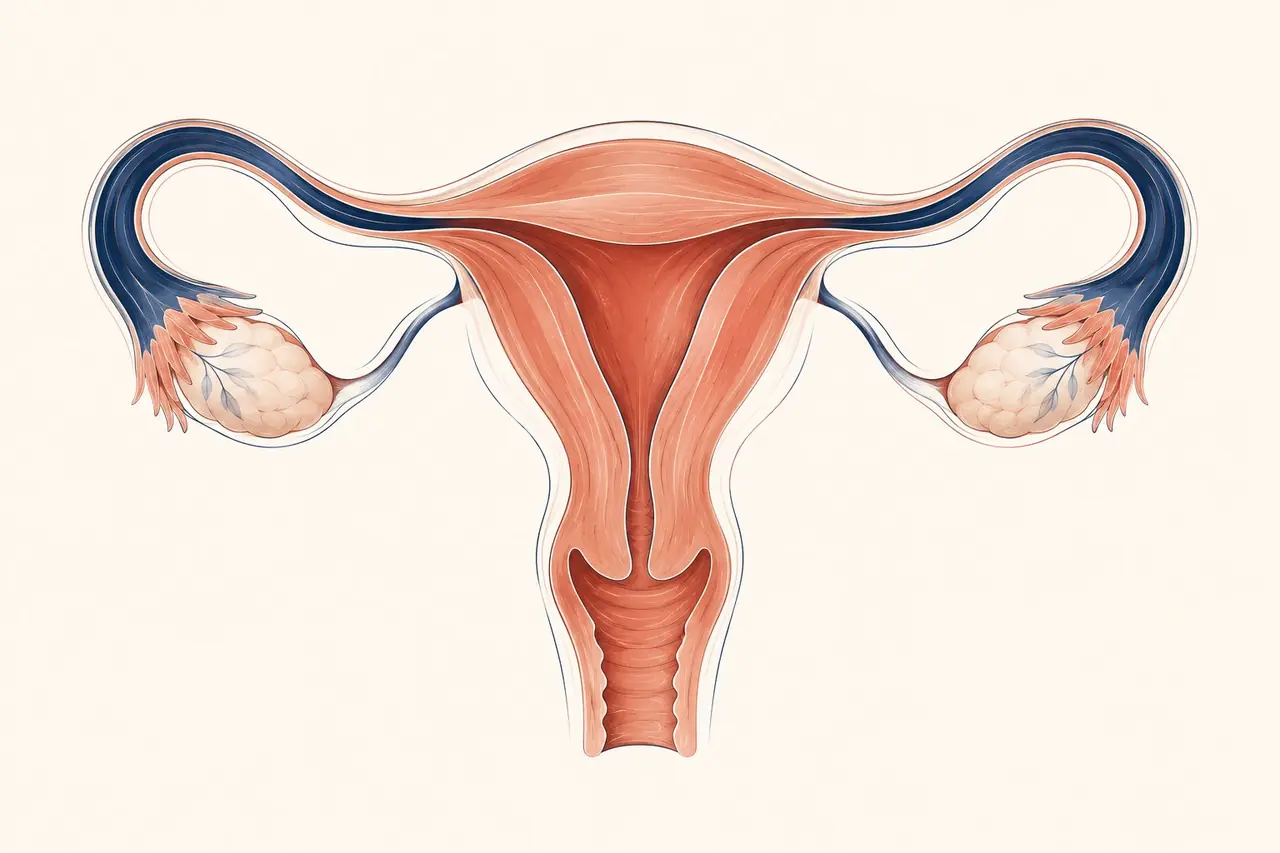
French recommendations offer preventive bilateral salpingo-oophorectomy at menopause, between 50 and 55. For BRCA1, the recommendation is at 40; for BRCA2, it can be deferred to 45. The article risk-reducing salpingo-oophorectomy describes the procedure.
Pancreatic screening is discussed above all when a relative has already had pancreatic cancer. Pain that lasts, jaundice, or weight loss should be reported to a doctor, even outside a screening programme.

The geneticist explains the variant and what it changes for the family. Dr Zeitoun does not repeat that analysis. He looks after breast surveillance and preventive breast surgery and, when it is needed, preventive removal of the ovaries and tubes.
The consultation goes back over three things: the laboratory result, the family tree even if it is incomplete, and the images. Without examining the breasts, a technique is not chosen. A video call, if you are not in Paris, is used to list what is missing. Files are uploaded in the Doctolib appointment mailbox. The secretarial callback form does not accept an attachment. The page preparing your first consultation sets out the rest of the file.
If a mastectomy is considered, the same conversation covers immediate or delayed reconstruction, keeping the nipple when the anatomy allows it, and time to think. If a cancer is already diagnosed, surgery for that cancer (removal of the tumour alone or of the breast, and analysis of the first lymph node in the armpit, called the sentinel node) follows its own calendar. Mastectomy of the other breast is discussed according to the prognosis, and can be decided at another time. The article BRCA mutation and preventive surgery is about BRCA1 and BRCA2.
Dr Jérémie Zeitoun, surgical oncologist, breast surgeon and gynaecologist, sees patients in Paris 8th (Faubourg Saint-Honoré) and at Clinique Hartmann (Neuilly-sur-Seine), and operates at Clinique Hartmann. Sector 2, not opted into OPTAM, with possible fee supplements. The amount is explained in consultation and written on an estimate before the operation.
Other pages on hereditary risk, BRCA and preventive surgery.
When an oncogenetics consultation is discussed, and what it looks for beyond a single gene.
The resultThe moment of the result, and the questions to ask.
BRCABreast and ovaries with a BRCA1 or BRCA2 mutation: a higher risk and a different calendar.
TechniqueThe operation, keeping the nipple, reconstruction: if the surgical option is chosen.
The decisionSurveillance or surgery, without urgency: the decision pathway, not an obligation.
The ovarian procedure, described for BRCA.
Uncommon, but worth knowing in a family where a variant circulates.
Nine questions that often follow the reading of the report.
No. A pathogenic PALB2 variant is a predisposition: it raises a risk, it does not mean a cancer is already there. A variant of uncertain significance does not, on its own, justify a bilateral preventive mastectomy.
French recommendations estimate the risk of breast cancer at 53% by age 80 (44%–63%). In the general population it is 10.5% by age 74. This is not a prediction for one person.
From 30 to 65, French recommendations provide a breast MRI every year, one view per breast and a clinical examination every six months. Before 30 and after 65, follow-up is adapted: the detail by age is in the Surveillance section.
No. French recommendations place it among the options to discuss, with immediate reconstruction possible. It is between 30 and 65 that the operation prevents the most cancers. The decision is made after the report has been read and the breasts examined; the detail is on the page bilateral preventive mastectomy.
Yes, separately from the breast. French recommendations estimate the risk of ovarian cancer at 5% by age 80 (2%–10%), against 1.1% by age 74 in the general population. That is higher than in the general population, and well below the risk linked to BRCA1: it is discussed, without a rushed decision. Preventive bilateral salpingo-oophorectomy is offered at menopause, between 50 and 55. For the pancreas, according to US recommendations, the risk of pancreatic cancer is 2% to 5%, close to 1% to 2% in the general population: screening does not apply to every carrier. It is discussed above all if a relative has already had pancreatic cancer.
Yes. According to US recommendations, the risk of breast cancer in men is 0.9% by age 70, against about 0.1% in the general population. This risk stays low over a lifetime: it is higher than in the general population, without the same follow-up as in women. A yearly mammogram can be discussed from age 50, or 10 years before the youngest known male breast cancer in the family, whichever comes first. Men also pass the variant on: genetic counselling concerns relatives, men and women.
He does not replace the oncogenetics consultation. He reads the report, examines, and compares with you surveillance and, if it is considered, a bilateral preventive mastectomy — including reconstruction, when it is wanted. He also looks after, when it is needed, preventive removal of the ovaries and tubes. An offer of surgery is not made on a file sent alone.
The oncogenetics report, the family tree even if it is a sketch, and recent imaging (mammogram, ultrasound, MRI) in digital form. For a Doctolib appointment, written documents go through the Doctolib mailbox. See preparing your first consultation.
Sector 2, not opted into OPTAM, with possible fee supplements. The amount is explained in consultation and written on an estimate before the operation.
Dr Zeitoun sees patients in Paris 8th (Faubourg Saint-Honoré) and at Clinique Hartmann (Neuilly-sur-Seine), and operates at Clinique Hartmann. Bring the report and the images — the page preparing your first consultation lists the rest. A technique is not chosen before you have been examined. If the question is a bilateral preventive mastectomy, it is discussed in consultation, not in writing.