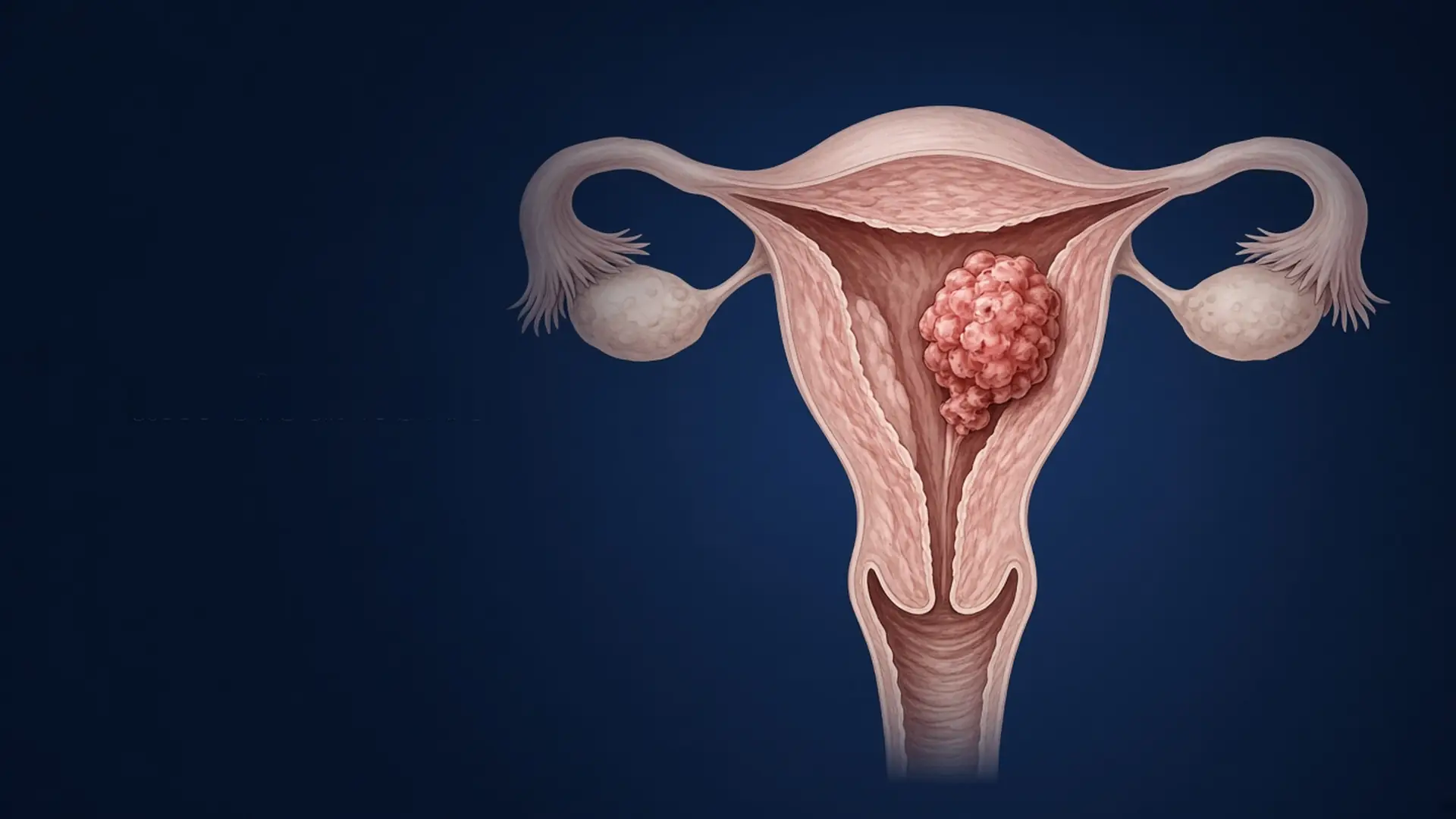

Gynaecological Cancers surgery & care Dr Jérémie Zeitoun · Gynaecological Surgeon in the 8th arrondissement of Paris
Cervical, ovarian, endometrial, vulvar cancer. Trained at Gustave Roussy, operating at Clinique Hartmann.

Gynaecological cancers are distinct conditions: cervix, ovary, endometrium, vulva and borderline tumours. Every case is discussed at a multidisciplinary team meeting before treatment. Dr Jérémie Zeitoun sees patients in the 8th arrondissement of Paris and operates at Clinique Hartmann (Neuilly-sur-Seine).
Complete and coordinated care
Gynaecological cancers encompass a set of distinct conditions — cervical, ovarian, endometrial, vulvar cancer, borderline tumours — each requiring specific surgical expertise. Every case is discussed at a multidisciplinary team meeting (MDT) before any treatment.
Dr Zeitoun manages the entire pathway: initial consultation, MDT presentation, surgery, post-operative follow-up and coordination with the medical oncologist and radiotherapist where necessary.
Three questions often come up before the consultation: how HPV becomes cervical cancer, whether ovarian cancer can be detected early, what bleeding after the menopause means.
Five cancers, one expertise
Each gynaecological cancer has its own warning signs, specific workup and surgical strategy. Click on each cancer to access the dedicated page.


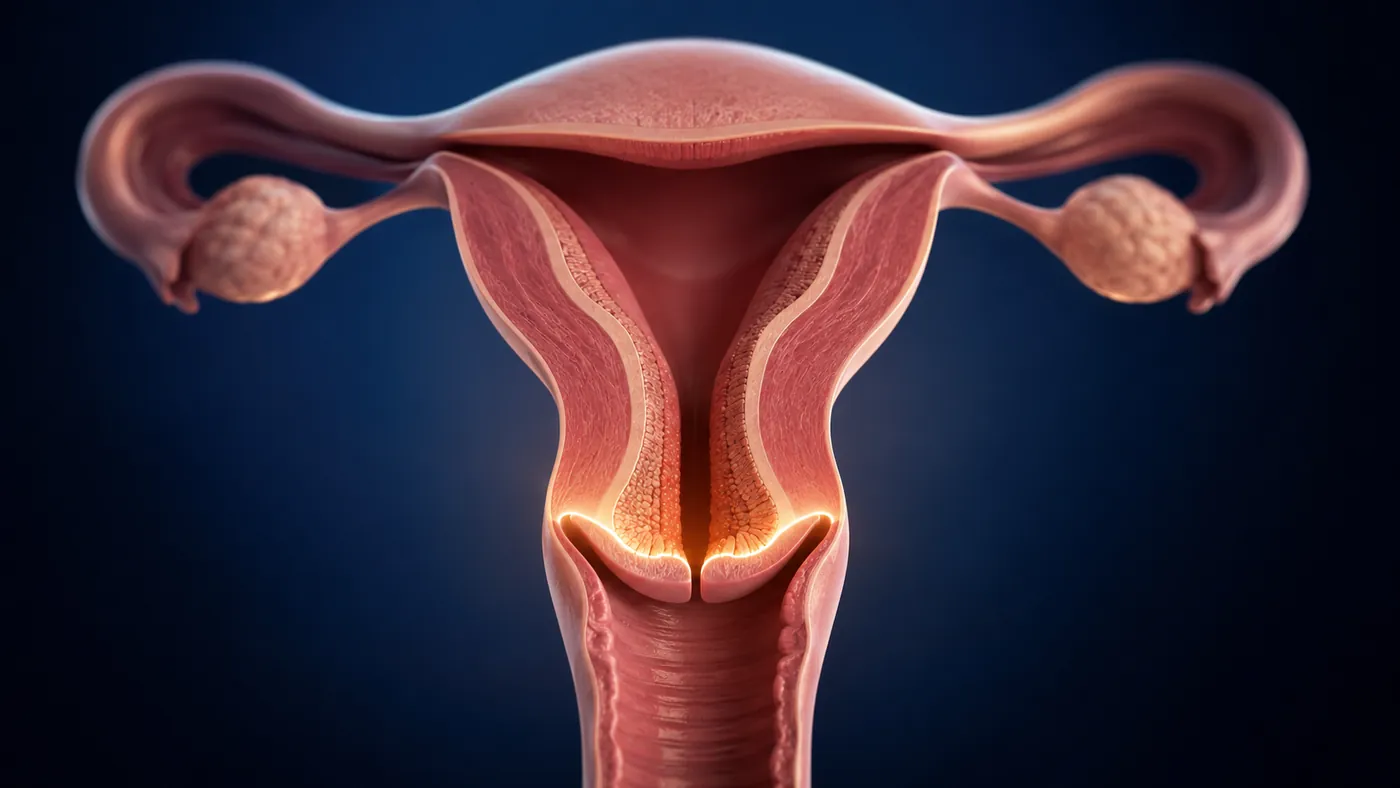
Linked to human papillomavirus (HPV) in 99% of cases. Detected early, it is curable. Surgery ranges from conisation to trachelectomy (preserving fertility) to radical hysterectomy depending on the stage. Systematic sentinel node biopsy.
Learn moreOften diagnosed at an advanced stage. Complete cytoreduction is the reference surgical treatment. BRCA status and HRD guide maintenance treatment with PARP inhibitors. Trained at Gustave Roussy.
Learn moreThe most common gynaecological cancer. Often presents with post-menopausal bleeding. Treated by total hysterectomy with bilateral salpingo-oophorectomy and lymph node dissection depending on the stage. Excellent prognosis when caught early.
Learn moreA rare cancer, often associated with HPV or lichen sclerosus. Surgery combines tumour excision and inguinal sentinel node biopsy for early stages. Reconstruction is systematically planned to preserve quality of life.
Learn moreBetween benign and malignant, borderline tumours require precise surgery with ovarian conservation possible in young women. Complete surgical staging is essential. The prognosis is excellent with appropriate management.
Learn moreA mass or a gynaecological cancer diagnosed?
Bring your imaging, biopsy or pathology reports. The consultation lasts 30 minutes — a personalised treatment plan is provided.
Your care pathway
The management of a gynaecological cancer follows a structured framework common to all conditions — consultation, MDT, surgery, adjuvant treatments, follow-up — but each step adapts to the type of cancer and your personal situation. Surgery for vulvar cancer, ovarian cancer and cervical cancer are radically different procedures. Post-operative follow-up and adjuvant treatments also vary according to tumour type, stage and biological profile.
Review of existing reports, clinical examination, discussion of the treatment plan. Additional investigations if required. At the practice in the 8th arrondissement of Paris or Clinique Hartmann.
Your case is presented to a multidisciplinary team (surgeon, oncologist, radiotherapist, radiologist) for collegiate validation of the treatment plan.
Tailored to each cancer: cytoreduction for ovarian, hysterectomy for endometrial, trachelectomy or radical for cervical, wide excision for vulvar. Clinique Hartmann, Neuilly.
Chemotherapy, radiotherapy, hormone therapy or PARP inhibitors depending on the cancer type and pathology results. Coordinated with the medical oncologist.
Frequency and modalities adapted to each condition. Clinical, biological and where relevant imaging surveillance. Coordination with the GP and referring oncologist.
Your questions about gynaecological cancers
Family history of breast or ovarian cancer?
In 15 to 20% of cases, ovarian cancer is linked to an inherited genetic mutation — BRCA1, BRCA2 or other genes. If family members have had breast or ovarian cancer, assessing your hereditary profile may be useful.
The Eisinger Score, recommended by the French National Cancer Institute (INCa), identifies in 6 questions whether your family history warrants discussion with a doctor. No data recorded — 100% confidential.
Whether your family history is suggestive of a hereditary predisposition
Whether a genetic oncology consultation could be useful for you or your family
Whether close relatives (sisters, daughters) should benefit from enhanced screening
Hysterectomy in gynaecological cancers
Hysterectomy is an integral part of the surgical treatment for most gynaecological cancers — endometrial, cervical, ovarian. Its form varies (total, radical Wertheim, with bilateral salpingo-oophorectomy, with lymphadenectomy) depending on the organ affected and the stage.
- → Endometrial cancer: total hysterectomy + bilateral salpingo-oophorectomy
- → Cervical cancer: radical Wertheim hysterectomy
- → Ovarian cancer: as part of complete cytoreductive surgery
- → Surgical approaches, complications, detailed principles
Book an appointment
Consultation in the 8th arrondissement of Paris or at Clinique Hartmann, Neuilly-sur-Seine. Response within 24 working hours. Teleconsultation available.