
Accueil
Sein & Cancer du sein
Cancer du sein Lésions bénignes du sein Mastectomie prophylactique
Reconstruction mammaire
Toutes les techniques Reconstruction par prothèse Lipofilling mammaire Chirurgie intime
Chirurgie gynécologique bénigne
Utérus Trompes et ovaires Col de l'utérus Vulve et vagin
Cancers gynécologiques
Cancer du col de l'utérus Cancer de l'ovaire Cancer de l'utérus Cancer de la vulve Tumeurs borderline Articles Parcours
Être rappelé par le secrétariat Prendre RDV sur Doctolib →
Cervix surgery — Dr Jérémie Zeitoun Paris
Logo Dr J. Zeitoun
Benign Gynaecological Surgery · Cervix

Cervix Conisation polyps · laser CO₂ Dr Jérémie Zeitoun · Gynaecological Surgeon Paris 8th

Abnormal smear, HPV lesion? Day surgery, no impact on fertility.

Scroll
Understanding Conisation Laser CO₂ Cervical Polyp Ectropion & Others Pathway Recovery FAQ
HPV & cervical lesions

Understanding what is happening

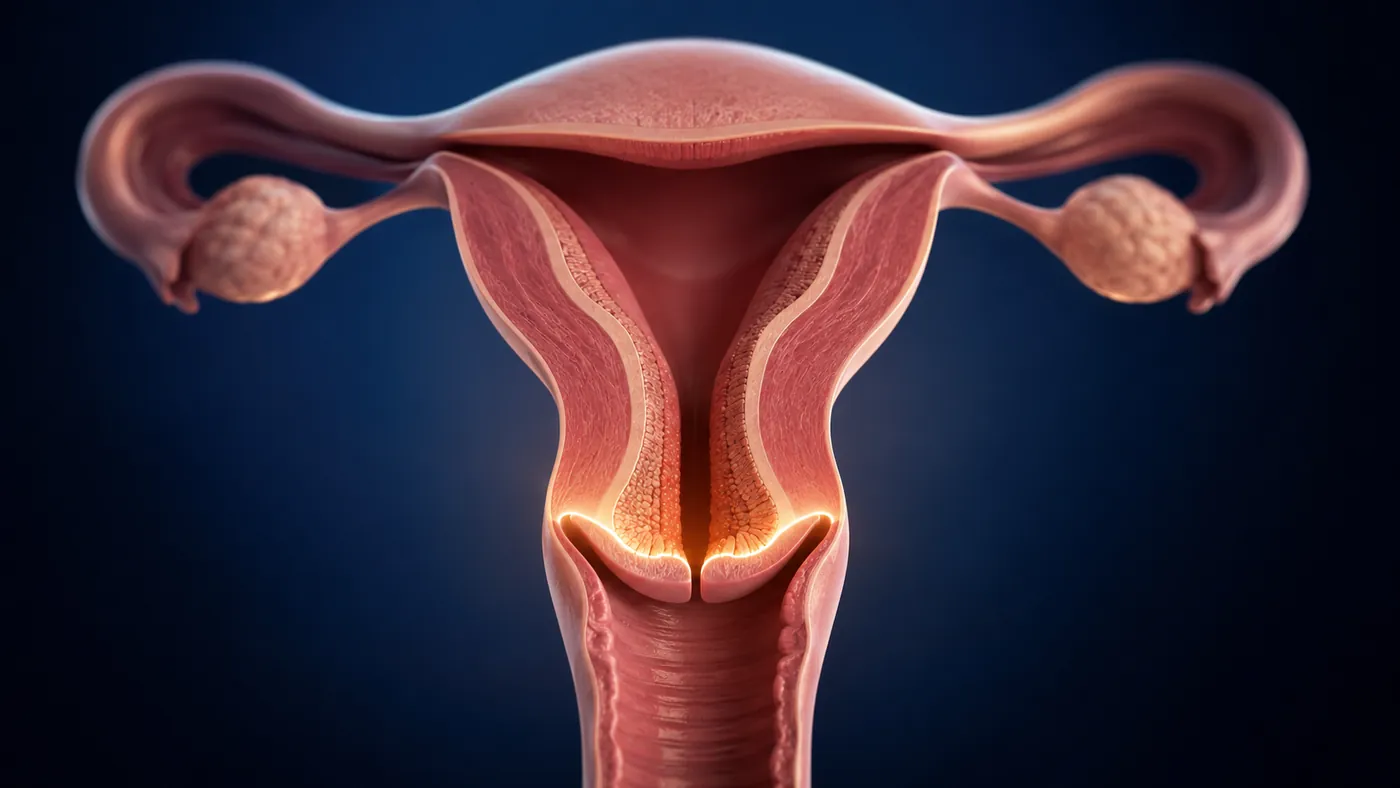
The cervix is the gateway to the uterus. Its outer surface and inner canal meet at the transformation zone — this is where almost all HPV-related lesions develop, and where colposcopy and biopsies are targeted.

The human papillomavirus (HPV) is a very common sexually transmitted virus. In 90% of cases, the immune system eliminates it on its own. In other cases, certain "high-risk" genotypes (HPV 16, 18, 31, 33…) can, over many years, lead to the development of precancerous lesions. This is why regular screening — via cervical smear and HPV test — is essential.

Cervical lesions are classified in increasing grades: CIN 1 — mild dysplasia, often regressive, monitored. CIN 2 — moderate dysplasia, treatment discussed depending on context. CIN 3 / AIS — high-grade lesion that systematically requires treatment (conisation). Regular screening by Pap smear and HPV test allows these lesions to be diagnosed and treated at an early stage.

HPV positive — does it mean cancer?

No. A positive HPV test means the virus is present in your cervical cells — not that there is cancer, or even a lesion. In 90% of cases, the immune system eliminates the virus on its own within 1 to 2 years, without any consequence. Only persistent infection with a "high-risk" HPV can, over many years, favour the development of precancerous lesions. This is precisely why regular follow-up is recommended — not because there is urgency, but because monitoring is the best prevention tool.

HPV positive — does it mean my partner has been unfaithful?

No, not necessarily. HPV can remain dormant for years or even decades before being detected. A positive result today says nothing about the date of transmission or your partner's behaviour. Nearly 80% of sexually active people have carried HPV at some point in their lives — it is the most common sexually transmitted infection in the world. Having HPV is not a sign of infidelity or any particular risk behaviour.

Abnormal smear — how serious is it?

The vast majority of abnormal smears are not cancers. An abnormal smear signals an anomaly in certain cervical cells — often transient, sometimes requiring monitoring or simple treatment. There are several levels of anomaly: ASC-US (mild, often benign), LSIL (low grade, frequently reversible), HSIL (high grade, requiring management). Colposcopy with targeted biopsies allows precise characterisation before any therapeutic decision.

HPV positive but normal smear — what to do?

This is a frequent and reassuring situation. The virus is present but has not yet visibly altered the cervical cells. The recommended approach is a repeat HPV test at 1 year — regardless of the HPV type. Colposcopy is not indicated immediately: it is only proposed if the HPV test remains positive on 2 consecutive checks 1 year apart. In the majority of cases, the virus disappears spontaneously before even the first check.

Can HPV disappear on its own, without treatment?

Yes — this is in fact the most common situation. In 9 cases out of 10, the immune system eliminates HPV naturally within 1 to 2 years. There is no specific antiviral treatment against the virus itself. What is treated are the lesions induced when they do not regress on their own (CIN 2-3). Certain factors favour persistence of the virus: smoking, immunosuppression, infection with HPV 16 or 18. Regular monitoring is the most effective strategy to intervene at the right moment, with the most limited procedure possible.

Abnormal smear or biopsy results? Dr Zeitoun analyses your documents and explains what they mean from the very first consultation.

Source: INCa 2020 · CNGOF

The reference procedure

Conisation

Conisation removes the fragment of cervix bearing the lesion — in the shape of a cone centred on the transformation zone. It is both a diagnostic procedure (the specimen is analysed in the laboratory) and a therapeutic one (the lesion is removed). A 15-minute day-surgery procedure that preserves fertility.

Complete fact sheet

Everything about conisation

CIN 2 / CIN 3 indications, step-by-step procedure, recovery, fertility and pregnancy after conisation, 20-year follow-up, risks, full FAQ with 10 questions.

Read detailed sheet

Source: CNGOF 2024 · INCa

Laser CO₂ surgery

CO₂ Laser Vaporisation

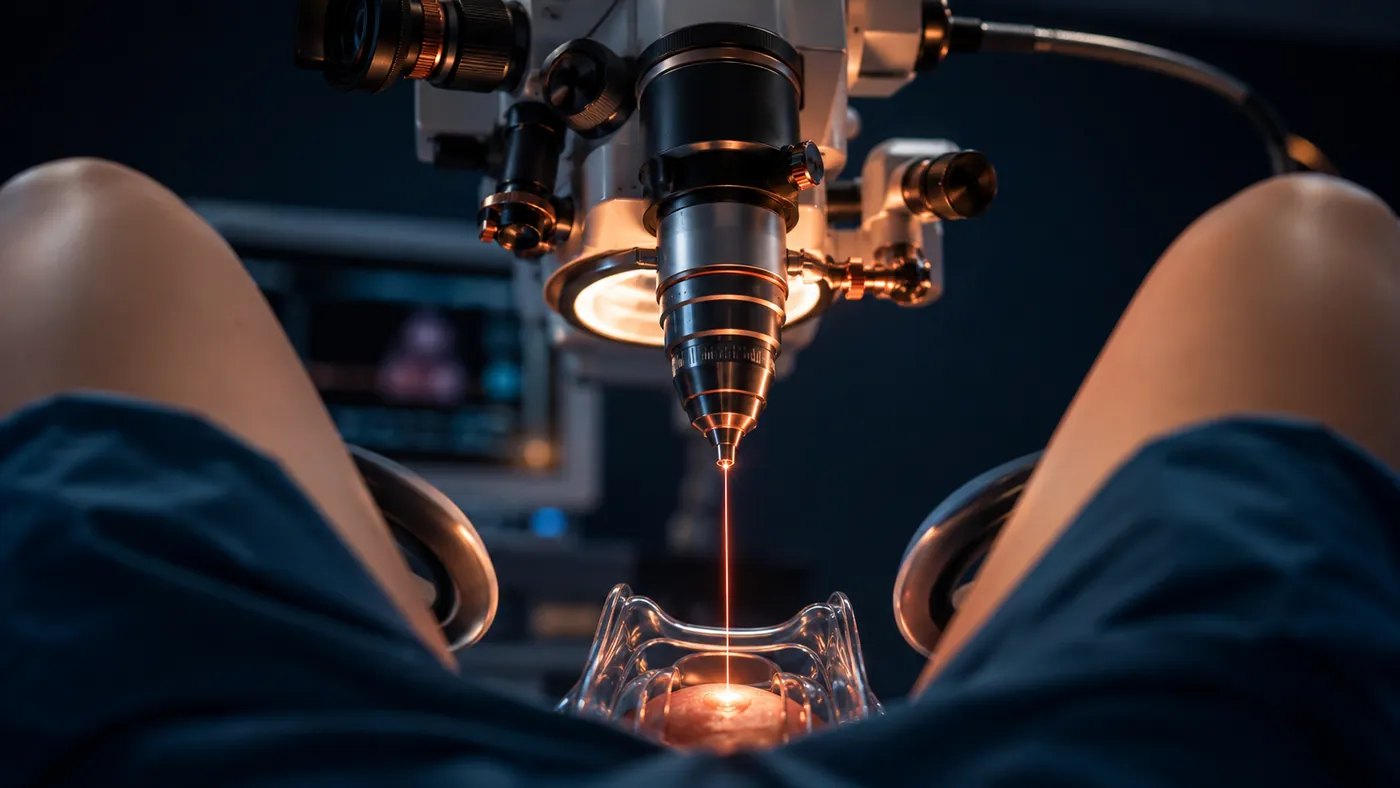
CO₂ laser is an alternative to conisation for certain cervical lesions — persistent CIN 1 (over 18 months), haemorrhagic ectropion, cervical condylomas, well-defined multifocal lesions. It vaporises abnormal cells with millimetric precision, without removing any tissue fragment.

Main advantage: complete preservation of cervical anatomy — no shortening, fertility preserved, no increased risk of preterm delivery. Decisive asset for young women planning pregnancy.

Limitation: no pathological analysis of the vaporised tissue — reserved for lesions already confirmed by prior biopsy. CIN 2 and CIN 3 require a conisation, not a laser.

Dr Zeitoun performs the laser always in the operating theatre at Clinique Hartmann, under local or short general anaesthesia depending on comfort preference — never in consultation.

Complete fact sheet

Everything about CO₂ laser of the cervix

Detailed indications (persistent CIN 1, haemorrhagic ectropion, condylomas, multifocal lesions), operating-theatre procedure, local or general anaesthesia, post-op follow-up, fertility, risks, full FAQ with 10 questions.

Read detailed sheet

Source: CNGOF 2024 · SFCPCV

Frequent benign lesion

Cervical Polyp

A cervical polyp is a benign outgrowth attached to the cervical canal by a thin stalk. It is frequently discovered incidentally during a gynaecological examination, and only causes problems if it bleeds or grows substantially.

Possible symptoms: intermenstrual bleeding (spotting), bleeding after intercourse, postmenopausal bleeding, abnormal discharge. Often, no symptoms at all.

Treatment: the technique depends on size, stalk base and age. A thin pedunculated polyp visible at speculum examination is removed with forceps in the clinic. A broad-based, large, endocervical polyp, or a polyp in a patient over 40, is removed by operative hysteroscopy in the operating theatre. Histopathology is systematic in all cases.

A hysteroscopy allows exploration of the uterine cavity, detection of an associated endometrial polyp (which is common), and removal under direct vision. In Dr Zeitoun's practice, diagnostic hysteroscopy is performed in the operating theatre.

Polyp discovered? A consultation is sufficient to evaluate and decide on treatment.

Complete fact sheet

Everything about cervical polyp

Definition, causes, symptoms (postcoital bleeding, intermenstrual and postmenopausal bleeding), diagnosis by speculum and hysteroscopy, removal techniques (forceps in the clinic vs operative hysteroscopy in theatre), recovery, risks, systematic histology, FAQ with 10 questions.

Read detailed sheet

Source: CNGOF 2024

Benign cervical conditions

Ectropion · Stenosis · Condylomas

Beyond precancerous lesions, the cervix can be the site of other benign conditions that are straightforwardly treatable.

Cervical ectropion
Ectropion is a turning outwards of the endocervical mucosa, common in young women or those using hormonal contraception. It manifests as heavy white discharge or contact bleeding.

Treatment: CO₂ laser vaporisation or cryotherapy, as day surgery under local anaesthesia. Simple, with no impact on fertility.
Cervical stenosis
Stenosis is a narrowing of the cervical canal, which may be secondary to a conisation or a prior procedure. It can cause painful periods, difficulty with smear tests, or problems with embryo transfer in IVF.

Treatment: gradual dilation of the cervical canal, under local or general anaesthesia depending on the degree of stenosis.
Cervical condylomas
Condylomas are wart-like lesions caused by low-risk HPV types (6, 11). They are benign, not precancerous, but can be a source of discomfort or recurrence.

Treatment: CO₂ laser vaporisation or trichloroacetic acid application, depending on size and location. HPV vaccination is recommended even after treatment to prevent recurrence.

Heavy discharge, contact bleeding or unusual menstrual pain? A consultation can identify the cause and adapt the treatment.

Source: HAS 2019 · SFCPCV

From consultation to recovery

Your pathway

01
Initial consultation
Review of your smear, HPV test, colposcopy and biopsy reports. Explanation of findings in plain language. Together, we decide on the most appropriate strategy.
02
Pre-operative consultation
If surgery is decided: anaesthetic consultation, detailed quote, scheduling. All your questions about the procedure, recovery and fertility are addressed.
03
Day surgery
Conisation or laser under general or locoregional anaesthesia. Usually 20 to 30 minutes. Discharge the same day, a few hours after waking.
04
Follow-up
Pathology results discussed within 2 to 3 weeks. Post-operative colposcopy at 6 months. HPV test + smear every year for at least 10 years.
After the procedure

Post-operative course

Pain
Mild pelvic cramps in the first hours, well controlled with paracetamol. No intense pain is expected.
Discharge
Serous or slightly pink discharge for 2 to 3 weeks. This is normal — the cervix heals progressively.
Return to activity
No baths for 15 days (showers fine). No strenuous sport for 20 days. No sexual intercourse for 1 month.
Heavy bleeding?
Frank, heavy red bleeding is not normal — contact your surgeon or go to A&E. This situation remains exceptional (< 1%).
Healing
The cervix heals in 4 to 6 weeks. The follow-up colposcopy at 6 months will verify the quality of healing.
Pregnancy
Pregnancy is possible from the month following complete healing. If you have a desire for pregnancy, discuss it in the pre-operative consultation so the cone depth can be adapted.

Source: CNGOF 2024

Would you like a second opinion on your management?
Send your colposcopy report and biopsy results. I respond within 48 hours.
Request a second opinion →
Frequently asked questions

HPV, abnormal smear, conisation — your questions

Receiving a positive HPV result or an abnormal smear is often a source of intense anxiety — and that is entirely normal. Most patients immediately think of cancer, worry about their partner, or are concerned about their fertility. These reactions are human and universal. What the figures show, however, is reassuring: 90% of HPV infections clear on their own, precancerous lesions progress slowly over years and are treatable, and conisation — when necessary — is a well-mastered procedure that preserves fertility in the vast majority of cases.

My HPV test is positive — do I have cancer?
No. A positive HPV test means the virus is present in your cervical cells — not that there is cancer, or even a lesion. In 90% of cases, the immune system eliminates the virus on its own within 1 to 2 years, without any consequence. Only persistent infection with a "high-risk" HPV can, over many years, favour the development of precancerous lesions. This is why regular follow-up is recommended — not because there is urgency, but because monitoring is the best prevention tool.
HPV positive — does it mean my partner has been unfaithful?
No, not necessarily. HPV can remain dormant for years or even decades before being detected. A positive result today says nothing about the date of transmission or your partner's behaviour. Nearly 80% of sexually active people have carried HPV at some point in their lives — it is the most common sexually transmitted infection in the world. Having HPV is not a sign of infidelity, nor of any particular risk behaviour.
My smear is abnormal — is it serious?
The vast majority of abnormal smears are not cancers. An abnormal smear signals an anomaly in certain cervical cells — often transient, sometimes requiring monitoring or simple treatment. There are several levels of anomaly: ASC-US (mild, often benign), LSIL (low grade, frequently reversible), HSIL (high grade, requiring management). Colposcopy with targeted biopsies allows precise characterisation before any therapeutic decision.
HPV positive but normal smear — what should I do?
This is a frequent and reassuring situation. The virus is present but has not yet visibly altered the cervical cells. The recommended approach is a repeat HPV test at 1 year — regardless of the HPV type. Colposcopy is not indicated immediately: it is only proposed if the HPV test remains positive on 2 consecutive checks 1 year apart. In the majority of cases, the virus disappears spontaneously before even the first check.
What is the difference between CIN 1, CIN 2 and CIN 3?
These are the three degrees of precancerous cervical lesion, called dysplasias (more details on the conisation page). CIN 1 (low grade): mild anomaly, regressing spontaneously in ~60% of cases — simple monitoring. CIN 2 (intermediate grade): to be monitored or treated depending on age and context. CIN 3 (high grade): severe anomaly that requires treatment, most often conisation. Regular screening by Pap smear and HPV test allows these lesions to be diagnosed and treated at an early stage.
Can HPV disappear on its own, without treatment?
Yes — this is in fact the most common situation. In 9 cases out of 10, the immune system eliminates HPV naturally within 1 to 2 years. There is no specific antiviral treatment against the virus itself. What is treated are the lesions induced when they do not regress on their own (CIN 2-3). Certain factors favour persistence: smoking, immunosuppression, infection with HPV 16 or 18. Regular monitoring is the most effective strategy to intervene at the right moment, with the most limited procedure possible.
How does conisation work? Is it painful?
Conisation is a brief surgical procedure performed as day surgery, under general or locoregional anaesthesia. It consists of removing the fragment of cervix containing the lesion using an electrosurgical loop, in order to obtain a specimen for laboratory analysis. The procedure is usually well tolerated. Post-operative course involves moderate bleeding for 2 to 3 weeks. Guidelines: no baths or sexual intercourse for 1 month, no sport for 20 days, no intense physical activity for 2 weeks.
Can one become pregnant after conisation?
Yes, in the vast majority of cases. Conisation does not compromise fertility. A deep cone can slightly shorten the cervix and increase the risk of premature birth (from 7% in the general population to approximately 14-20% after deep conisation) — hence the importance of calibrating the procedure to the minimum necessary, particularly for women with a desire for pregnancy. This point is systematically discussed in the pre-operative consultation.
How much time off work after conisation?
There is usually no sick leave required after conisation. Most patients return to work the next day. Relative rest is simply advised for the first few days. Return to sport and sexual intercourse is advised against for 1 month, to allow complete cervical healing.
What is the risk of recurrence after conisation?
Conisation definitively eradicates the lesion in ~93% of cases. A recurrence rate of approximately 7 to 10% at 10 years is observed, generally linked to persistence of HPV. This is why rigorous post-therapeutic follow-up is indispensable: HPV test + smear at 6 months, then at 12 months, then every 3 years if negative — for at least 10 years. If the HPV test is positive after conisation, colposcopy is recommended to rule out a residual lesion.
Is conisation covered by health insurance?
Yes, fully. Conisation is a surgical procedure reimbursed by the French National Health Insurance. Dr Zeitoun practises in sector 2 with regulated additional fees — a precise quote is provided during the pre-operative consultation, with no surprises. For international patients, a detailed invoice for insurance reimbursement purposes can be provided upon request.

Book an appointment

Come with your results, your questions, your concerns. We take the time to discuss everything together.

Book on Doctolib → Request a callback
Related article
Positive HPV test after a smear: what to do next?

Just received a positive HPV test result? Dr Zeitoun guides you step by step: what the result means, the screening algorithm by age, when to have a colposcopy, how CIN 1 is monitored, when CIN 2/3 requires surgery — and answers to the most frequently asked questions.

Read the HPV article →
FREN