


There are often several histological subtypes of breast cancer. Under the microscope, the pathologist (the specialist who analyses tissue) looks for three “targets” on the cells: oestrogen receptors, progesterone receptors and the HER2 protein. When none of the three is present, the cancer is called triple negative.
This result does not, on its own, tell the stage of the disease. Above all, it shows which treatments will work: hormone therapy and anti-HER2 treatments are of no use here, because the cells have neither hormone receptors nor excess HER2 protein, so these medicines have no target. Chemotherapy, radiotherapy and immunotherapy remain fundamental pillars of the treatment of these patients.
Decided at the multidisciplinary meeting
Treatment is decided at a multidisciplinary team meeting, where the surgeon, oncologist, radiation oncologist, radiologist and pathologist review your file together.
You have just learned that your cancer is triple negative, and you want to know how the next steps are organised?
Dr Jérémie Zeitoun, surgical oncologist and breast surgeon, sees patients at the practice at 241 rue du Faubourg Saint-Honoré (Paris 8th) and at Clinique Hartmann (Neuilly-sur-Seine). Bring the biopsy report and the images. Surgery takes place at Clinique Hartmann. Consultations can be held in English.
Three markers missing: what “triple negative” means

The markers are tested by immunohistochemistry: a staining of the cells, performed on the biopsy samples, which shows whether a protein is present or not.
The three markers
- Oestrogen receptors (ER): absent, or too few for hormone therapy to be useful.
- Progesterone receptors (PR): also absent.
- HER2: the protein is not present in excess. A “HER2-low” result may appear on the report.
The report also gives the type of cancer, its grade (how abnormal the cells look) and often the Ki67 (how fast the cells divide). The page understanding the pathology report explains each of these terms.
No hormone therapy, no anti-HER2 treatment
These two families of medicines have no target in a triple-negative cancer. Treatment relies on chemotherapy, often combined with immunotherapy, on surgery and, in most cases, on radiotherapy.
The stage of the disease
The stage depends on the size of the tumour and on whether the lymph nodes are involved. It is established by examination and imaging, then confirmed after the operation.
More often in young women, and with a BRCA1 mutation

A triple-negative cancer can occur at any age. It is, however, more common in young women, and it is the form of breast cancer most often associated with a mutation of the BRCA1 gene.
This is why the SENORIF guidelines recommend offering a genetic test to every woman with triple-negative breast cancer diagnosed before the age of 61, even without a family history, or at any age when both breasts are affected.
Most often, the cancer is found as a lump felt in the breast or armpit, sometimes between two screening mammograms. If you feel a breast lump, see a doctor without waiting for your next scheduled mammogram.
From the biopsy to the complete work-up
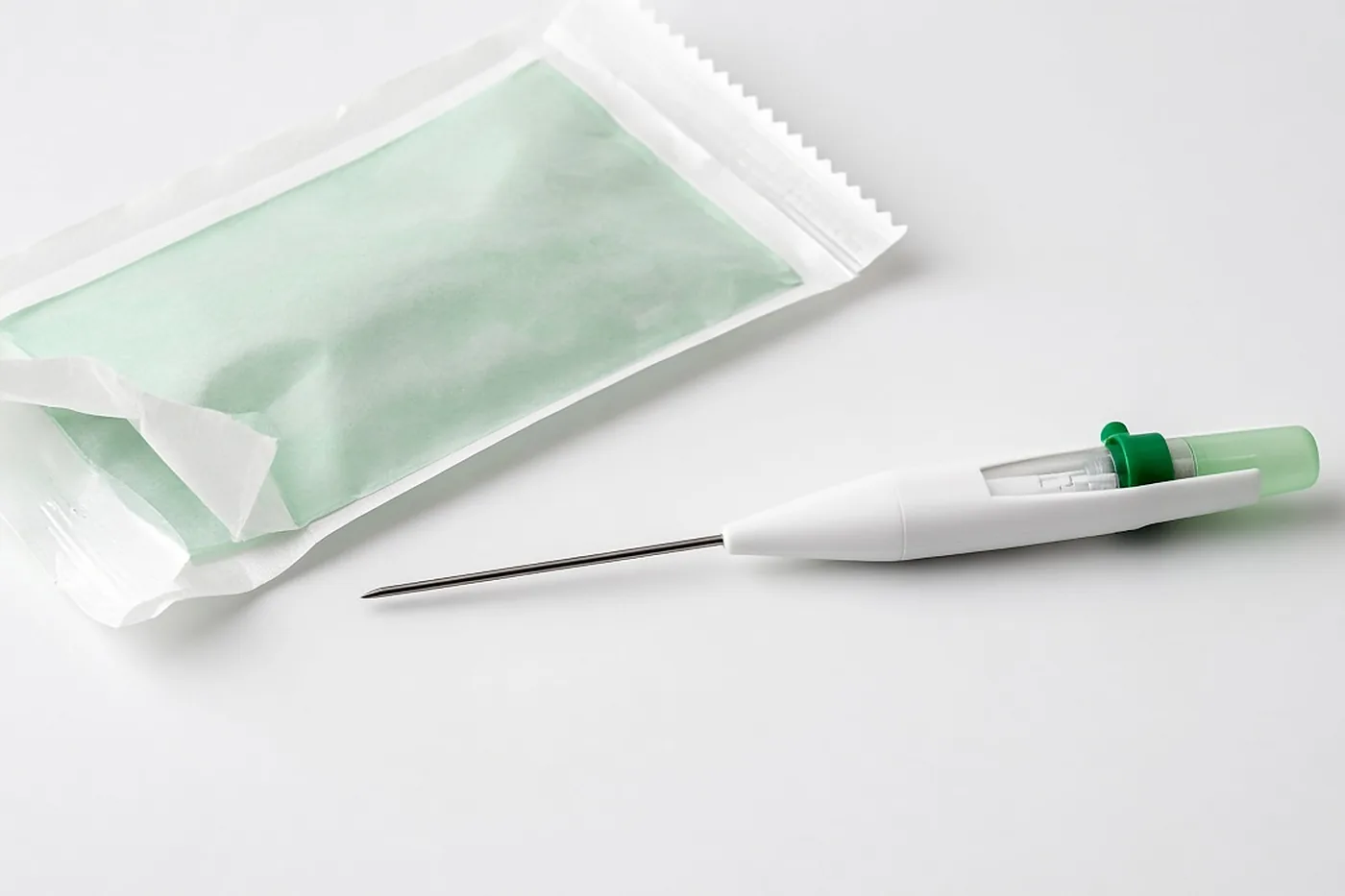
The diagnosis always relies on a core needle biopsy, performed by the radiologist under local anaesthetic. A small marker clip is placed in the tumour: it will allow the surgeon to find the area if the tumour disappears with chemotherapy.
The tests that complete the work-up
- Mammogram and ultrasound of both breasts, with an ultrasound of the armpit; a suspicious lymph node is also sampled.
- Breast MRI, which can be prescribed when useful, for example when chemotherapy before surgery is planned or with a BRCA mutation.
- Staging scans: a PET-CT scan is often performed (or a CT scan and a bone scan), to check that the disease is limited to the breast and lymph nodes, when chemotherapy is indicated.
- Tests before chemotherapy: blood tests, a heart ultrasound, and placement of an implantable port (a small device under the skin for infusions).
Quick, but not rushed
The work-up is organised within a few days. Time spent preparing treatment properly is not time lost. The page biopsy results timing explains what affects the wait for the report.
In non-metastatic patients, most often: medicines first, surgery afterwards

According to the SENORIF guidelines, chemotherapy before surgery (neoadjuvant chemotherapy) may be offered as soon as the tumour measures 2 cm or more or the lymph nodes are involved. It is not systematic: the decision is made case by case at the multidisciplinary meeting, including for smaller tumours.
Before the operation
- For stage II and III cancers, the reference regimen combines chemotherapy with an immunotherapy, pembrolizumab, following the protocol of the KEYNOTE-522 trial. The French National Authority for Health (HAS) issued a favourable opinion on its reimbursement in this indication.
- The duration is several months. The effect is monitored by examination and imaging during treatment.
After the operation
- In case of a complete response to chemotherapy (no residual tumour on histological analysis of the tissue removed during surgery), pembrolizumab can be continued on its own for several months, if it was given before the operation.
- In case of an incomplete response to chemotherapy, and therefore if some tumour remains in the removed tissue, an additional treatment is added: olaparib for one year if there is a BRCA mutation (OlympiA trial), otherwise capecitabine, a chemotherapy taken as tablets.
When surgery comes first, for a small tumour without lymph node involvement, chemotherapy after the operation (adjuvant chemotherapy) is discussed according to the size and features of the tumour.
Chemotherapy and immunotherapy
Several months of day-hospital treatment, before the operation. Side effects are explained and monitored by the oncologist.
Surgery
A few weeks after the end of chemotherapy: lumpectomy or mastectomy, and surgery of the lymph nodes.
Radiotherapy
Routine after breast-conserving surgery, discussed after a mastectomy depending on age, tumour size, lymph node involvement and other criteria. See radiotherapy.
Other treatments exist
When the disease has spread to other organs, treatment is medical. It combines chemotherapy and, depending on the analysis of the tumour, immunotherapy. An antibody-drug conjugate, sacituzumab govitecan, may be offered for metastatic disease that has already been treated. Breast surgery has only a limited role.
Your chemotherapy before surgery is about to start or is under way: the operation is prepared from now on.
Dr Zeitoun sees you before the first treatment, to examine the breast and armpit, explain your overall care plan and discuss which operation can be considered. Consultations at the practice at 241 rue du Faubourg Saint-Honoré (Paris 8th) and at Clinique Hartmann (Neuilly-sur-Seine).
What the surgeon does, before and after chemotherapy
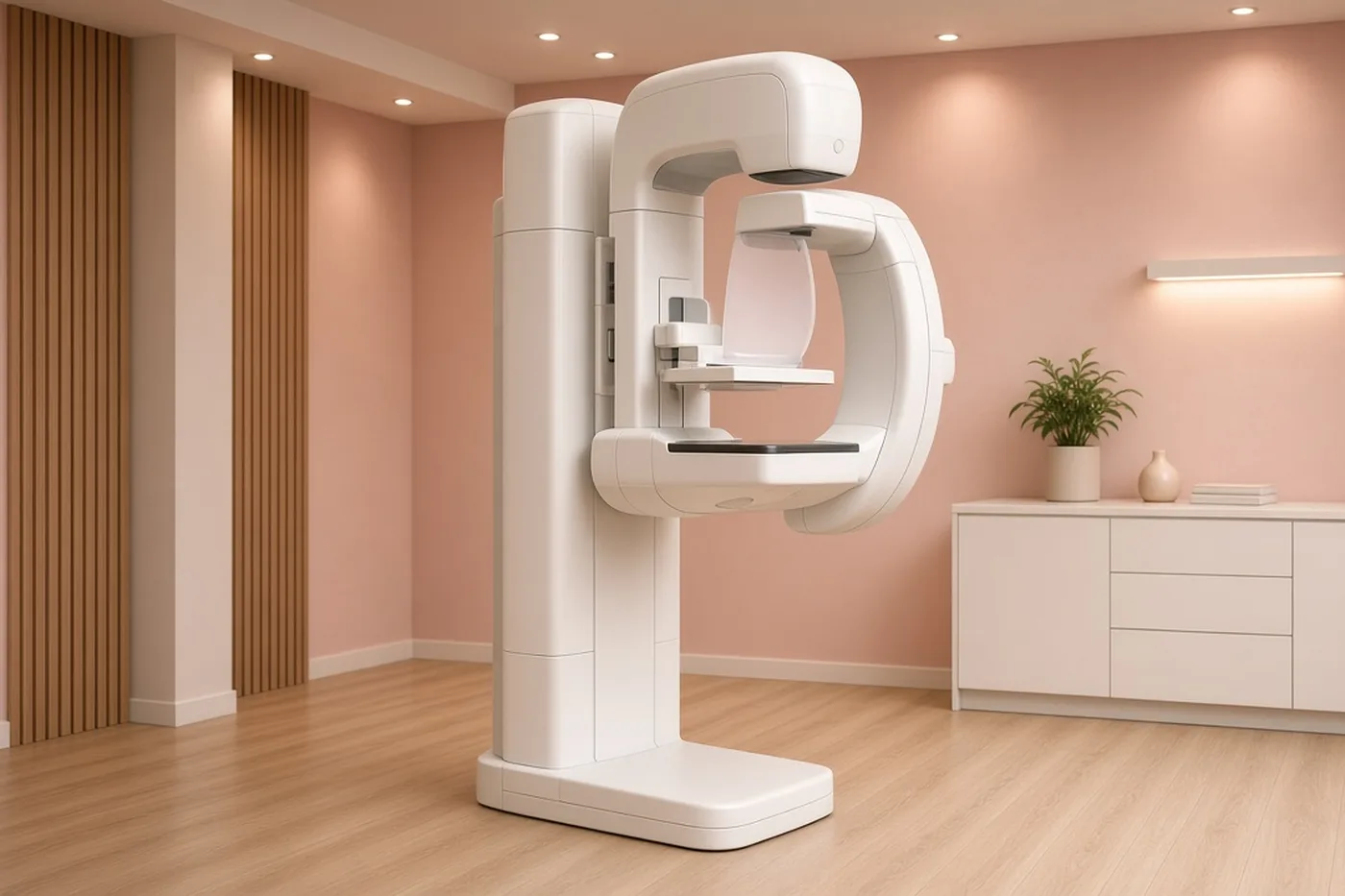
The surgeon sees you before chemotherapy, to know the initial tumour, then after, to decide on the operation with the end-of-treatment imaging.
The surgical options
- Preserving the breast (lumpectomy, sometimes with an oncoplastic technique that reshapes the breast): this is the aim whenever the response and the breast volume allow it. The area marked by the clip is removed, even if the tumour can no longer be seen.
- Mastectomy when breast conservation is not possible or not wished for, or depending on whether or not a genetic predisposition is found at the genetic consultation, with immediate or delayed reconstruction depending on the case.
- The lymph nodes: sentinel lymph node biopsy when the armpit was free of lymph node metastases at the start; when lymph nodes were involved, the procedure depends on their response and is decided at the multidisciplinary meeting.
Where consultations and surgery take place
Consultations take place at the practice at 241 rue du Faubourg Saint-Honoré (Paris 8th) and at Clinique Hartmann (Neuilly-sur-Seine). Surgery takes place at Clinique Hartmann. Chemotherapy and radiotherapy are given in a centre you choose with the team, and your file is discussed at the multidisciplinary meeting.
Practical advice before the operation is on the page preparing for surgery, and advice for the first appointment on preparing your first consultation.
The genetic test: for your treatment, and for your family
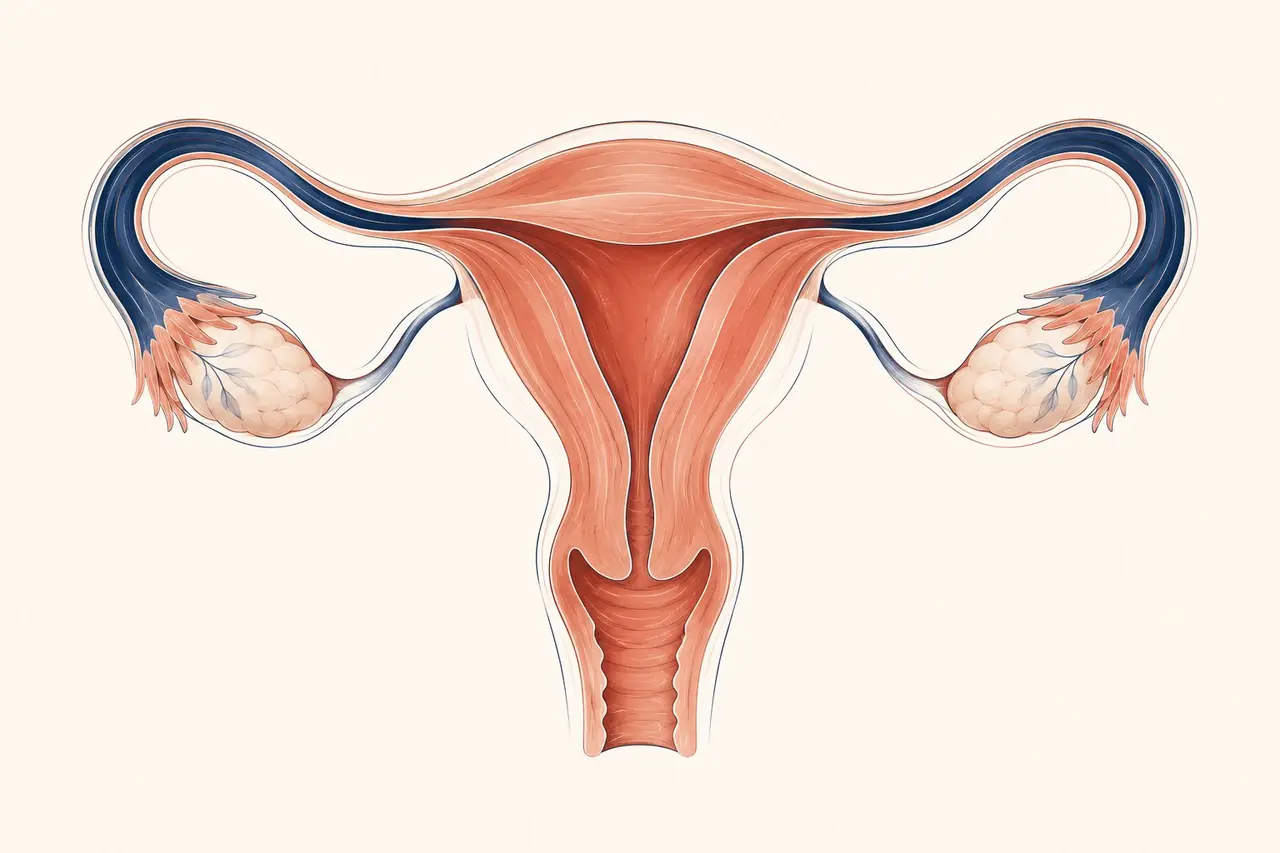
Genetic testing is done with a blood sample, after a cancer genetics consultation. It looks for a mutation in the BRCA1, BRCA2 and PALB2 genes and a few other predisposition genes.
What the result can change
- Treatment: with a BRCA mutation and tumour remaining after chemotherapy, olaparib is added for one year.
- Surgery: a preventive mastectomy of the other breast can be discussed. It is never compulsory, and the decision can be made later, once treatment is over.
- The ovaries: preventive removal of the ovaries and fallopian tubes is recommended from the age of 40 for BRCA1, 45 for BRCA2, and offered around the menopause for PALB2.
- Your relatives: if they wish, they can be tested and offered appropriate screening.
Preventive surgery for women carrying a BRCA or PALB2 mutation is covered by the French national health insurance (Assurance maladie), with possible additional fees. Sector 2, not a member of OPTAM, with possible fees above the standard rate. The amount is explained at the consultation and set out in a written quote before the operation. See also positive BRCA result and prophylactic mastectomy.
Follow-up, and life afterwards

The SENORIF guidelines plan a clinical examination every 6 months for 5 years, then once a year, and a mammogram every year, for life, the first a few months after the end of radiotherapy.
Follow-up can alternate between the surgeon, the oncologist, the radiation oncologist and the gynaecologist.
Report without waiting for the next visit any lump, change in the scar, persistent bone pain or unusual cough. Useful advice after armpit surgery is on the page lymphoedema.
Heart monitoring
After chemotherapy including anthracyclines, heart monitoring may be offered.
Frequently asked questions
The questions asked most often after a triple-negative cancer diagnosis. If yours is not here, ask it at the consultation, or ask Sophie, at the bottom right of the screen.
Is a triple-negative cancer more serious than other breast cancers?
It is a type of cancer that often grows faster than hormone-sensitive cancers. That is why treatment is organised without delay, most often starting with chemotherapy. It is also often sensitive to that chemotherapy. The outlook depends above all on the size of the tumour, whether the lymph nodes are involved and how the cancer responds to treatment.
Why have chemotherapy before the operation?
It shrinks the tumour, which sometimes makes it possible to preserve the breast. It also shows how the cancer responds: the analysis of the removed tissue tells whether any cancer cells remain, and the treatment after the operation is adapted to that result. It also makes it possible to have the genetic test results. The page chemotherapy before surgery describes this pathway.
What is pembrolizumab?
It is an immunotherapy: a medicine that helps the immune system recognise cancer cells. In stage II or III triple-negative cancers, it is combined with chemotherapy before the operation, then may be continued alone after surgery in case of a complete response to chemotherapy. It can cause inflammation of certain organs, for example the thyroid, which is checked for throughout treatment.
Should I have a genetic test?
The SENORIF guidelines recommend offering it to every woman with triple-negative breast cancer diagnosed before the age of 61, and more widely depending on the family history. The result can change the treatment (olaparib if there is a BRCA mutation) and also concerns your relatives. See hereditary breast and ovarian risk.
I carry a BRCA1 mutation. Do both breasts have to be removed?
No, it is not compulsory. The cancer can be treated while preserving the breast. A preventive mastectomy of the other breast, or of both breasts, can be discussed, and this decision can be made later, once treatment is over. This surgery is covered by the French national health insurance (Assurance maladie), with possible additional fees. See BRCA mutation and preventive surgery.
What does “complete response” mean?
It means that the microscopic analysis of the breast tissue and lymph nodes removed finds no remaining invasive cancer cells after chemotherapy. This result is only known after the operation (see understanding the pathology report). It does not replace the operation, and it guides the treatment that follows.
Will I be able to have children after treatment?
Chemotherapy can reduce fertility. Before it starts, a fertility preservation consultation is offered to young women who wish to have one. Mention it at the very first consultation, as it takes place before the first treatment.
Will I need hormone therapy?
No. By definition, a triple-negative cancer has no hormone receptors: hormone therapy would have no effect. That is why chemotherapy and immunotherapy play a central role.
What does follow-up involve after treatment?
According to the SENORIF guidelines, a clinical examination every 6 months for 5 years, then once a year, and a mammogram every year, for life. Follow-up can be shared between the surgeon, the oncologist, the radiation oncologist and the gynaecologist.
Can I ask for a second opinion?
Yes, it is your right, and it does not delay treatment when it is arranged quickly. Bring the biopsy report, the images and, if available, the report of the multidisciplinary meeting. See second opinion for breast cancer.
Sources
This article is based in particular on the SENORIF 2025-2026 guidelines.
- SENORIF 2025-2026 guidelines — Breast cancers and diseases: diagnostic and therapeutic approaches, treatment protocols (in French): indications for genetic testing, neoadjuvant and post-neoadjuvant treatment of triple-negative cancers, work-up, follow-up.
- French National Cancer Institute (INCa) — Systemic treatment of localised triple-negative breast cancers, guidelines of November 2024 (in French).
- French National Authority for Health (HAS) — Opinion on Keytruda (pembrolizumab) in triple-negative breast cancer, December 2022; opinion on Lynparza (olaparib) in high-risk early breast cancer, January 2023 (in French).
- Loibl S. et al. — Early breast cancer: ESMO Clinical Practice Guideline. Annals of Oncology, 2024.
- Schmid P. et al. — Pembrolizumab for Early Triple-Negative Breast Cancer (KEYNOTE-522). New England Journal of Medicine, 2020; overall survival, 2024.
- Tutt A. et al. — Adjuvant Olaparib for Patients with BRCA1- or BRCA2-Mutated Breast Cancer (OlympiA). New England Journal of Medicine, 2021.
- Bardia A. et al. — Sacituzumab Govitecan in Metastatic Triple-Negative Breast Cancer (ASCENT). New England Journal of Medicine, 2021.
- US guidelines — NCCN Guidelines for Patients: Breast Cancer.
Do you have a question about the operation, about genetics, or would you like a second opinion?
Dr Jérémie Zeitoun sees patients at the practice at 241 rue du Faubourg Saint-Honoré (Paris 8th) and at Clinique Hartmann (Neuilly-sur-Seine), and operates at Clinique Hartmann. Bring the biopsy report, the images and, if available, the genetic test result.