Asking for a second opinion after a breast cancer diagnosis is part of the care pathway. When it helps, which documents to gather, and what it changes — or does not change — before you say yes to surgery.
If breast cancer has just been diagnosed and surgery has been offered, Dr Zeitoun sees patients in consultation — on the file and after clinical examination — for a second opinion. Any extra delay depends mainly on gathering the file and getting an appointment.
After a breast cancer diagnosis, surgery is usually offered quite quickly. Many patients then wonder whether they may see a second surgeon before answering, and how much delay that will add. The appointment page is how to arrange a consultation or a first contact.
A second opinion is a recognised step, provided for in the oncology care pathway. It does not reopen the diagnosis — that rests on analysis of the tissue sampled at biopsy — but it can clarify the choice between several treatment options, especially surgical ones.
This article follows the pathway in order: when a second opinion helps, which documents to gather, how the consultation runs, what it changes — and what it does not — and the myths worth setting aside before you decide.

Which operation, why this option rather than another, and a second opinion if you wish: a consultation with the surgeon, in person or by video as a first contact.
A second opinion is neither starting the diagnosis from scratch nor trying to prove the first doctor wrong. It is an extra look at the same file, before a decision that commits you. It sits within the breast cancer pathway.
The right to a second opinion is part of the oncology pathway. It is provided for and encouraged. It can touch the first doctor's pride — that is human — but the step belongs in a normal patient pathway, without needing to justify it.
The second surgeon starts with your imaging and reports, not with what you think you remember from a first consultation — but a definitive surgical opinion also requires a clinical examination: it is not an opinion given by email on the file alone. That is why gathering the file is the first step.
A second opinion is not reserved for disagreement. It is useful whenever an important decision is approaching and you want to take it with a full picture.
It comes in addition, not instead of, the multidisciplinary team meeting (MDT) that has already reviewed — or will review — your file with several specialists. The most frequent situations in a second-opinion consultation in breast cancer care:
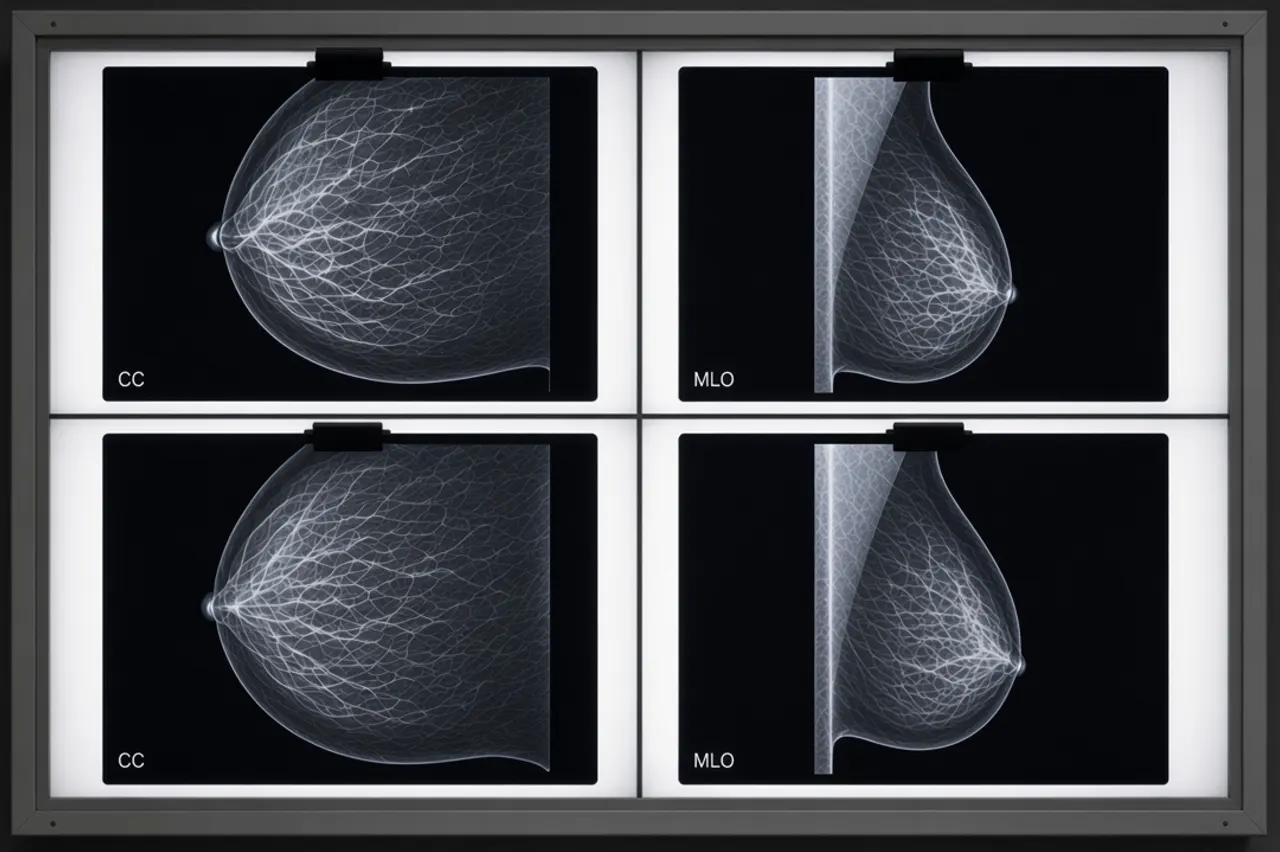
A second opinion is given on a file, not on an isolated symptom. Before the appointment, it helps to gather the imaging — mammogram, ultrasound, breast MRI if done — and the biopsy (pathology). What to prepare before an appointment is set out on preparing your first consultation.
That is why it helps to bring all imaging already done, including older studies: comparison between several images is what informs most, not only the latest film.
If it already exists, the multidisciplinary team (MDT) report is also useful: it shows what has already been discussed and on which grounds. The second opinion sits alongside those conclusions, it does not ignore them.
A first contact can be made by video consultation, on the file sent in advance via the callback form : it quickly shows whether travelling is useful, especially if you are far from Paris or abroad.
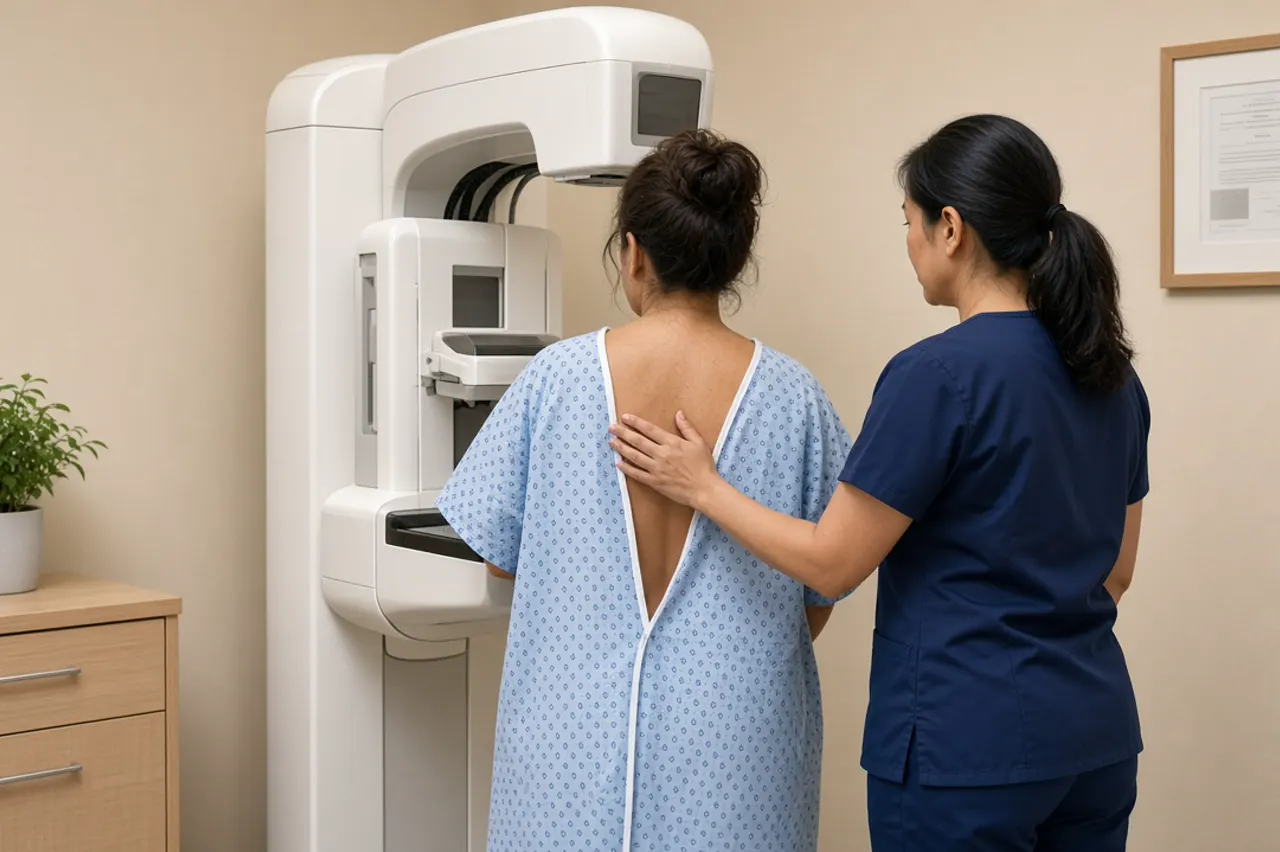
In person, the surgeon reviews the imaging and the biopsy report, and the MDT report if it exists. A clinical examination is required before any surgical decision: it is not replaced by reading the file alone, nor by an exchange by email.
The surgeon explains what he understands of the file, which options seem possible, and why. If his view matches the first, he explains that too — a second opinion that confirms the first is not wasted: you can then choose to follow it knowingly, rather than change teams without reason.
If a mastectomy is being considered, the appointment is also the moment to weigh oncoplastic surgery to avoid it, or to discuss breast reconstruction techniques — implant, DIEP, latissimus dorsi — if mastectomy is confirmed.
The tissue already sampled has been analysed in the pathology laboratory: that analysis gives the exact nature of the lesion. A second laboratory reading of the slides is sometimes offered if a result is in doubt.
Asking for a second opinion in breast cancer care is common. Come, or join by video, with the full file: imaging, biopsy report, MDT report if available.
A second opinion does not always have the same effect. It is better to know in advance what it can, and cannot, add.
The diagnosis rests on the pathology analysis already done. A second opinion does not redo that diagnosis; it can, however, refine how it is read for the treatment decision.
Depending on the size of the lesion, its position and your anatomy, breast conservation — sometimes with oncoplastic surgery — may be possible where a mastectomy has been offered, or the reverse. If a mastectomy is confirmed, several breast reconstruction techniques can be discussed. That is decided on your full file and after clinical examination.
Any extra delay depends mainly on the time to gather the file and get an appointment. The pathway already includes time for tests and a multidisciplinary team meeting before treatment starts, into which a second opinion can fit if it is organised promptly.
A second opinion does not mean breaking off care already started. With your consent, the file can be sent between the two teams. You can then choose to continue with one, with the other, or ask for both opinions to be rediscussed at the MDT.
Several fears come up often in consultation. Here is how they actually stand.
A second-opinion consultation is not a verdict. Here is what it is reasonable to ask, and what you should leave with a clear answer to.
The questions that come up most often in consultation. If yours is not here, ask it at the appointment — or Sophie, the site assistant, bottom right.
The first doctor's pride may take a knock, that is human — but asking for a second opinion in oncology is a step recognised and provided for in the care pathway. It is not a repudiation: it is a step many patients take before an important decision, such as a lumpectomy, a mastectomy or oncoplastic surgery.
It depends mainly on the time to get an appointment and gather the file — it is not a fixed duration. The breast cancer pathway already includes time for further tests and an MDT meeting before treatment starts; a second opinion organised promptly can fit into that without stretching it.
Yes, but only as a first contact, on a file sent in advance — especially if you are far from Paris or abroad. The definitive surgical opinion rests on the file and a clinical examination in person, not on an opinion given by email on the file alone. A video consultation is for making contact and preparing the visit.
Rarely on the nature of the disease itself, which rests on the pathology analysis already done. It can, however, refine the reading of the imaging, clarify the choice between several treatment options, or confirm that the first proposal is the most suitable.
It sometimes is: depending on the size of the lesion, its location and your anatomy, breast conservation — sometimes with oncoplastic surgery — may be possible when a mastectomy has been offered, or the reverse. If mastectomy is confirmed, several breast reconstruction techniques can also be discussed. That is decided on your full file and after clinical examination.
No: in general the imaging and the biopsy already done are enough to give an opinion. A further test is asked for only if a piece of information needed for the decision is missing. See also preparing your first consultation.
It is a meeting where several specialists — surgeon, oncologist, radiation oncologist, radiologist, pathologist — discuss the file together to propose a treatment strategy. It is mandatory in oncology in France. The surgical second opinion is discussed with those conclusions, without ignoring them. The breast cancer pathway describes this step.
The most useful moment is before a decision, especially before breast-conserving surgery or a mastectomy. A second opinion remains possible later in the pathway, for example if there is doubt about neoadjuvant chemotherapy, but it is simpler to use early, before an operation has taken place.
Both options are explained to you, with their arguments. The final decision remains yours — changing option, changing team, or confirming the first opinion and choosing it knowingly. You can also ask for a file to be rediscussed at the multidisciplinary team meeting. Oncoplastic surgery or a reconstruction can be among those options.
A second-opinion consultation is like any medical consultation and follows the same coverage rules. The precise conditions (sector, extra fees) should be checked before the appointment. Dr Zeitoun's training and career and the consultation arrangements are set out on the site.
Dr Jérémie Zeitoun sees patients in Paris 8e and at Clinique Hartmann in Neuilly-sur-Seine, in person or by video as a first contact; his training and career is set out on the site. Booking or requesting a callback lets you send the file in advance.
To go further on diagnosis and surgical options in breast cancer.
Diagnosis, surgical options, reconstruction: an overview of the breast cancer pathway.
Patient articleWhat analysis of the sampled tissue shows, and how that result shapes the next step.
Patient articleThe criteria that guide the choice between breast conservation and mastectomy.
Breast conservationWhen reshaping the breast can avoid a mastectomy, and how that is discussed on the file.
After mastectomyImplant, DIEP, latissimus dorsi, lipofilling: the techniques discussed if mastectomy is confirmed.
InternationalComing from abroad: one surgeon, written quote, stay in Paris.
Preparing the visitDocuments to gather — imaging, biopsy, MDT — before a surgical opinion.
A diagnosis of breast cancer, an offer of lumpectomy, of mastectomy or oncoplastic surgery: Dr Jérémie Zeitoun sees patients in Paris 8th and at Clinique Hartmann (Neuilly-sur-Seine), where he operates. Bring your file (imaging and reports). The surgical opinion is given after clinical examination — a video consultation is a first contact, not an opinion on the file alone.