Surgery well prepared means a safer operation and a calmer recovery. Here is the complete checklist: pre-operative workup, anaesthesia consultation, what to do before, the day before, the day of.
Any surgical procedure, whether for a breast or a gynaecological condition, requires preparation. This is not an administrative formality: it shapes the safety of anaesthesia, the smooth running of the operation itself, and the speed of recovery.
Part of this preparation is medical (blood tests, anaesthesia consultation, possible adjustment of current treatments). Another part is practical: organising your return home, arranging a companion, preparing what you will need to bring.
Three key moments to anticipate:
— In the weeks (or sometimes days) leading up to surgery: the anaesthesia consultation, a pre-operative workup if the anaesthetist considers it necessary, and any lifestyle adjustments (smoking, alcohol). The interval varies depending on urgency and on your preference — it may range from 4 to 6 weeks down to just one week when surgery is scheduled quickly.
— The week and the day before surgery: a few simple rules of hygiene, fasting, and packing your bag.
— The day itself: what happens on arrival, in the operating room, on waking up, and immediately after.
This page brings together the essentials that apply before any operation. Recommendations specific to your case (length of hospital stay, type of anaesthesia, drains, etc.) will be given to you at the pre-operative consultation, with me and with the anaesthetist.
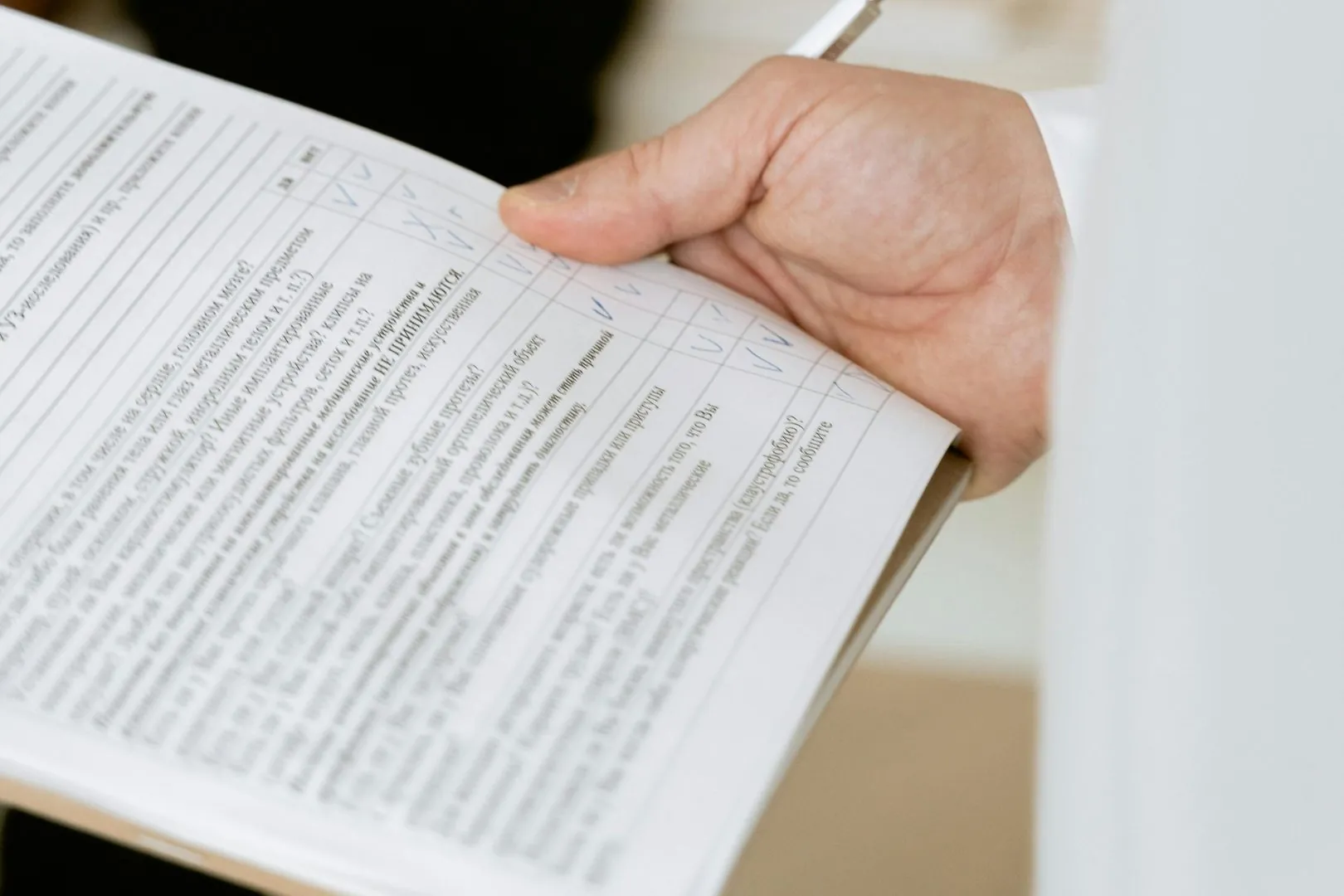
The informed consent is signed at the pre-operative consultation — a key step in your preparation.
Section 02 · D-30 to D-7 · Pre-operative workup
Anticipate the workup, secure the procedure
Once the decision to operate has been made, several steps fall into place. They may seem numerous, but they follow on from each other naturally and most are done remotely, without extra trips to the office.
The interval between the decision and surgery varies depending on your situation: it may be 4 to 6 weeks, but also as short as one week when surgery is scheduled quickly. In that case, the steps below (any workup, anaesthesia consultation, treatment adjustments) are condensed into a few days — this is normal and safe, provided the anaesthesia consultation takes place at least 48 hours before.
The pre-operative workup
It is no longer routine. For many procedures, the anaesthetist decides at the pre-anaesthesia consultation whether a workup is needed, based on your age, general health, and the type of operation planned. When required, it usually consists of a blood test at any community laboratory, sometimes complemented by an electrocardiogram, chest X-ray, or cardiology opinion. If a workup has been prescribed, bring the results to the anaesthesia consultation.
Blood test
When required
Pre-operative blood work-up
When the anaesthetist deems a work-up useful, you will receive an order for blood tests at a local laboratory. Depending on your age and history, the work-up may include: complete blood count, electrolytes, coagulation panel, blood group. Bring the results to the anaesthesia consultation or on the day of surgery.
The anaesthesia consultation
It is mandatory and must take place at least 48 hours before the operation. It is a separate appointment, with an anaesthetist of the clinic. They assess your general health, identify any contraindications, adjust ongoing medications, and choose with you the most suitable type of anaesthesia.
Bring with you: the list of your usual medications (with doses), your medical and surgical history, your blood test results, and any useful documents (health record, specialist letters).
Your current medications
Some medications must be stopped or adjusted before surgery. Never modify a treatment on your own initiative. The anaesthetist decides, at the pre-anaesthesia consultation, what should be continued, paused, or replaced. Bring your full prescription, and the boxes if possible.
Tobacco and alcohol
Stopping smoking, even a few weeks before surgery, improves wound healing and reduces the risk of respiratory and infectious complications. This is an excellent moment to stop — your GP or a tobacco specialist can help. Alcohol consumption should also be reduced in the days leading up to surgery.
Practical organisation
Inform your employer, anticipate your sick leave, organise your return home (who will accompany you, who will look after children or dependents, who will do the shopping for the first week). These details may seem secondary, but they are decisive for a peaceful recovery.
Section 03 · D-7 to D-3 · The week before
D-7: final preparation
Seven days from surgery, the operation feels concrete. A few simple actions allow you to enter the day with confidence — without overdoing it, without rushing.
Pack your bag
For a standard hospital stay: loose, comfortable clothing (front-opening tops are easier after breast surgery), toiletries, non-slip slippers, ID, French health insurance card, supplementary insurance, current prescriptions, glasses or lens cases. Avoid jewellery, watches, and valuables.
Calm preparation
Personal items
What to put in your bag
Pack your bag the day before, calmly: front-opening pyjamas (essential for breast surgery), non-slip slippers, full toiletries, phone charger, book, water bottle for the return. Also gather your administrative documents: ID, health insurance card, supplementary insurance, prescriptions and medical reports.
Skin and hygiene
The skin in the surgical area must be healthy. Avoid waxing or shaving the area on the day before (risk of micro-cuts and infection). If hair removal is necessary, it will be done at the clinic, just before surgery, with appropriate equipment.
Nail polish, false nails, make-up
On the day, your nails must be clean, short, free of polish and false nails (the pulse oximeter is placed on the finger and needs the natural colour of the nail to function). No make-up, no rich face cream.
Food and hydration
No special diet in the days beforehand — a balanced diet and good hydration are enough. Simply avoid excess (alcohol, very spicy food, very heavy meals the night before).
Sleep and anxiety
It is normal to feel some apprehension. If anxiety disturbs your sleep, mention it to the anaesthetist — a mild medication can be prescribed for the evening before. Avoid self-medication.
If you fall ill
In case of fever, cold, urinary tract infection, open wound, skin lesion in the surgical area, or any other unusual medical event in the days leading up: contact the secretary or the clinic without delay. Surgery may, exceptionally, be postponed for your safety.
Section 04 · D-1 · The day before
D-1: the countdown begins
The day before is a quiet one. The aim is not to do more, but to follow a few simple rules that ensure the safety of the operation.
The evening antiseptic shower
A full shower with an antiseptic soap (e.g. Betadine® scrub or Hibiscrub®, prescribed or indicated by the clinic) must be taken the evening before. Wash the entire body, including the hair, with extra care on the area to be operated. Rinse, dry with a clean towel, and put on clean clothes. Clean bedding if possible.
Skin hygiene
Evening + morning
The pre-operative shower technique
Wash the entire body, including the hair, with extra attention to the surgical area. Rinse thoroughly. Dry with a clean towel, put on clean clothes and change the bedsheets if possible. A second identical shower is to be done on the morning of surgery. No cream, perfume or makeup on the day.
Pre-operative fasting
Fasting rules will be specified by the anaesthetist according to your scheduled time. As a general rule:
Safety rule
Before anaesthesia
The fasting rule, simply put
The rule to remember: 6h without eating, 2h without drinking before the scheduled time of surgery. This rule keeps your general anaesthesia safe: empty stomach = no aspiration risk. If you accidentally drank or ate, tell the team immediately on arrival — surgery may be postponed for your safety.
— no solid food in the 6 hours before anaesthesia;
— no dairy products, fruit juice with pulp, or sugary drinks during this same period;
— still water, light tea, or black coffee without milk are usually allowed up to 2 hours before — always according to the specific instructions given by the anaesthetist.
Strict observance is essential: incomplete fasting can lead to postponement.
Medications
Follow exactly the instructions given by the anaesthetist at the pre-anaesthesia consultation. Do not take, that evening, any medication that has not been validated. If in doubt: call the clinic.
Last-minute checks
Health insurance card, supplementary insurance, ID, prescriptions, blood test results (if a workup was prescribed), anaesthetist's letter, administrative documents from the clinic: everything must be ready and grouped together. Verify the exact time and address of your appointment.
Don't forget
CD or USB drive
Bring all your imaging studies
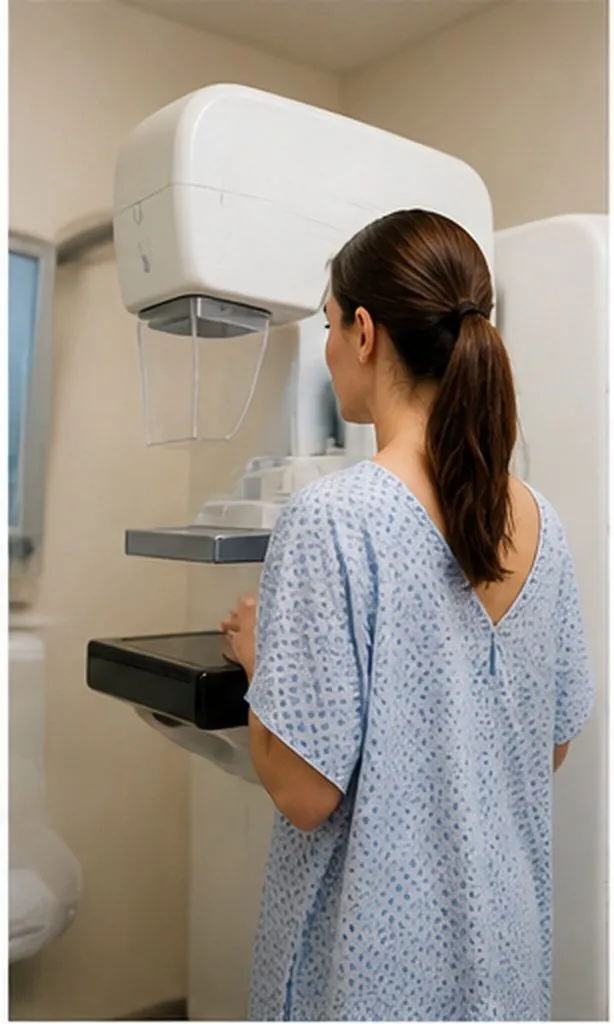
On the day of surgery, plan to bring all your imaging studies related to your situation: mammogram, ultrasound, MRI, CT scan, PET scan. Prefer the CD or USB format (not just written reports): these images can be reviewed in the operating theatre to guide localisation and the precise course of surgery.
All your imaging studies: on the day of surgery, bring all imaging examinations performed in connection with your condition — mammogram, ultrasound, MRI, CT, PET, as relevant. Bring them on CD or USB drive (not only the written reports): these images may be useful in the operating room for localisation and during the procedure.
Sleep
Go to bed at a reasonable hour. If the anaesthetist has prescribed a tablet for the evening, take it according to instructions.
Section 05 · D-Day · The big day
D-Day: from arrival to discharge
The day of surgery follows a well-rehearsed sequence. You will be supported by a team — nurses, porters, anaesthetists, surgeon — who take turns to ensure everything goes smoothly.
Waking up at home
Get up calmly. Take a second antiseptic shower (Betadine® scrub or equivalent), washing your hair. Dry yourself with a clean towel, put on clean clothes, no cream, no perfume, no deodorant, no make-up.
No breakfast — unless the anaesthetist has explicitly authorised a clear drink. No cigarettes.
Arrival at the clinic
Report to reception at the time indicated, with your full file. A room is allocated to you. The nurse checks your identity, instructions, fasting, and gives you a surgical gown. Jewellery, removable dental prostheses, contact lenses, nail polish: all are removed at this stage.
Admissions reception
Your first steps
Report at the indicated time
Report to the admissions reception at the indicated time, with your full file (ID, health insurance card, supplementary insurance, prescriptions, reports, imaging). A room is assigned to you. The team checks your identity, your instructions, your fasting, and gives you the surgical attire.
Waiting time before the operation may range from a few minutes to several hours depending on the schedule. This is normal.
In the operating room
You are accompanied to the operating room, where the team welcomes you (nurses, anaesthetist, sometimes the surgeon). You are placed on the table, an intravenous line is inserted, and you fall asleep. The operation lasts the time it requires — a moment you will have no memory of.
Surgical attire
In the operating room
A team entirely focused on you
You are accompanied to the operating room, where the team welcomes you: nurses, anaesthetist and surgeon. You are positioned on the table and an IV line is placed. This moment can feel a little daunting — know that all eyes are on you, and the entire team is there to reassure you and watch over every detail.
Waking up
You wake up in the post-anaesthesia care unit (recovery room). A team monitors you, manages pain, and checks your general state. You stay there until everything is stable, then return to your room.
Back in your room
You may feel a little nauseous, tired, sometimes shivery: this is normal and short-lived. You will be rehydrated quickly, and a first light meal is usually offered a few hours later. Depending on the operation, discharge may be planned the same day (day surgery) or after one or several nights — all of which will have been explained at consultation.
Section 06 · Pitfalls · To absolutely avoid
The false good ideas
A few common practices can complicate an operation. By avoiding them, you give yourself the best chance.
— Modifying your treatments on your own initiative. All adjustments fall to the anaesthetist, never to a personal decision.
— Self-medication the day before or morning of surgery. No medication, no “wellness” herbal tea, no food supplement is harmless before anaesthesia.
— Eating or drinking “just a little” before surgery. Pre-operative fasting is an absolute safety measure. A single deviation may lead to postponement.
— Coming alone for day surgery. You must be accompanied home, and ideally not stay alone the first night.
— Driving after surgery. Whatever the type of anaesthesia, driving is forbidden for at least 24 hours (often longer). Plan your transport home.
— Underestimating warning signs. In case of fever, infection, wound or acute illness in the days before, contact the clinic immediately.
— Wearing cream, perfume, make-up, polish on the morning of surgery. All of these interfere with sensors and sterility.
— Underestimating post-operative rest. Recovery takes time, even for “light” procedures. Anticipate sick leave and home organisation.
— Hesitating to ask questions. Any doubt, any concern, any unclear point should be raised at the pre-operative consultation. That is exactly what it is for.
Section 07 · Frequently asked questions
The questions most often asked
How long before surgery should I have the anaesthesia consultation?▾
The anaesthesia consultation must take place at least 48 hours before surgery. It is a legal and safety requirement. Schedule it as soon as the operating date is fixed — schedules can be tight, anticipate as much as possible.
What if I forgot to stop a medication?▾
Tell the anaesthetist or the clinic immediately. Depending on the medication, the decision is made case by case — sometimes surgery can proceed, sometimes it must be postponed. Never hide such a slip: your safety comes before the schedule.
Can I smoke the day before or the morning of surgery?▾
Ideally, smoking should have stopped several weeks earlier. But even a short cessation (24 to 48 hours) improves oxygenation and healing. The morning of surgery: no cigarettes, this is non-negotiable.
Can I drink a little water in the morning?▾
It depends on the precise instructions of your anaesthetist. Generally, still water or light tea without milk is allowed up to 2 hours before surgery — but rules vary. Follow the instructions you were given exactly. If in doubt, abstain and call the clinic.
How long will I stay in hospital?▾
This depends entirely on the planned procedure. Some operations are performed as day surgery (in and out the same day); others require one or several nights. The expected duration is given at the pre-operative consultation. If post-operative course requires it, it can be adjusted on the day.
Can I drive home?▾
No. Whatever the type of anaesthesia, driving is forbidden for at least 24 hours, and often longer depending on the procedure. Arrange your return home with a relative, taxi, or medical transport. For day surgery, a responsible adult companion is mandatory at discharge.
When can I return to work, sport, driving?▾
This depends on the procedure and your recovery. Precise indications (sick leave duration, gradual return, lifting, sport) are given by your surgeon at the post-operative consultation (usually at 15 days). Avoid planning a too-quick return to work: post-operative rest is part of the treatment.
What to do in case of fever, pain or concern after surgery?▾
You will leave with a contact number (office, secretary, clinic emergency). Never hesitate to call in case of fever, unusual pain, wound discharge, faintness, or concern. Better one call “for nothing” than one warning sign ignored.
Who pays for what? Will I need to pay upfront?▾
Most care is covered by the French health insurance on the basis of the social security tariff. Any additional fees (surgeon, anaesthetist, single room) are listed in the estimate given to you before surgery. Your supplementary insurance may cover all or part of these excess fees: check your coverage in advance.
Before any surgical procedure, a second opinion is your right — and often a useful step. Dr Zeitoun receives patients in consultation to review your file (imaging, biopsy, surgical indication), confirm or refine the proposed strategy, and answer all your questions. Paris 8th practice or Clinique Hartmann Neuilly. English-speaking consultation.