
Home
Breast & breast cancer
Breast cancer Benign breast lesions Prophylactic mastectomy
Breast reconstruction
All techniques Implant reconstruction Latissimus dorsi flap DIEP flap (abdomen) Gracilis flap (thigh) Fat grafting (lipofilling) Flat closure Intimate surgery
Benign gynaecological surgery
Uterus Ovaries and tubes Cervix Vulva and vagina
Gynaecological cancers
Cervical cancer Ovarian cancer Uterine cancer Vulvar cancer Borderline tumours Articles About
Request a callback Book on Doctolib →
Pelvic and para-aortic lymphadenectomy — Dr Jérémie Zeitoun chirurgien cancérologue gynécologue Paris
Logo Dr J. Zeitoun
Gynaecological oncologic surgery · Paris 8th & Neuilly

Pelvic and para-aortic lymphadenectomy Dr Jérémie Zeitoun · Advanced gynaecological and ovarian cancers

Precise staging of advanced gynaecological cancers and reference surgery for ovarian cancer. Understand the indications, procedure and recovery of this surgery.

Dr Jérémie Zeitoun chirurgien Paris
Scroll down

Summary · 1 minute read

Pelvic and para-aortic lymphadenectomy: key takeaways

Comprendre

Why lymph node removal ?

The aim of lymphadenectomy is not systematic removal without purpose. It is about precisely determining the extent of the disease in order to adapt the therapeutic strategy. In certain situations, particularly in advanced ovarian cancer, lymphadenectomy is part of complete cytoreductive surgery.

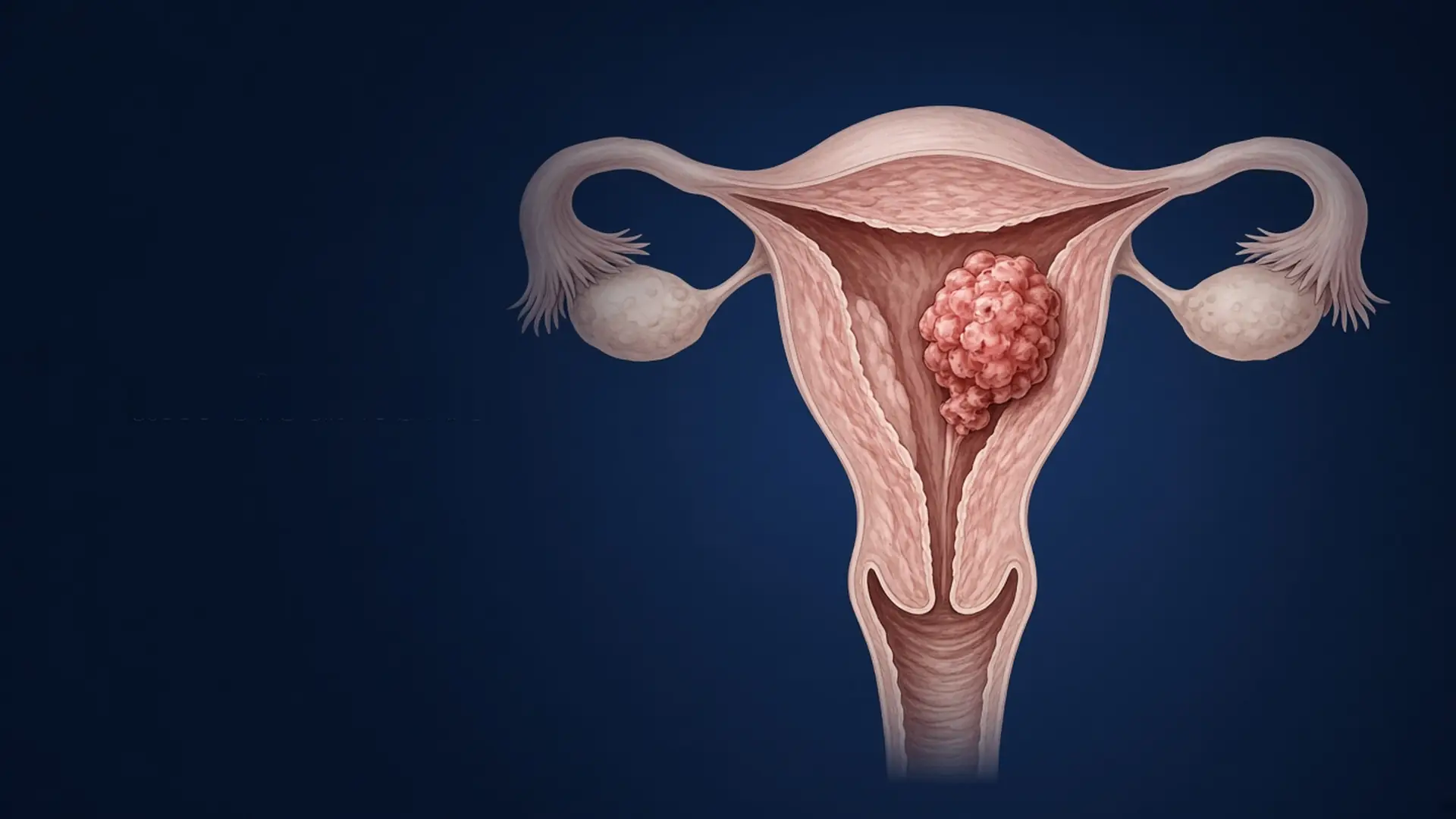
A precise anatomical pathway. The genital organs — uterus, cervix, ovaries — are drained by a network of lymphatic channels leading to lymph nodes located in the pelvis, then higher around the abdominal aorta. When cancer spreads through the lymphatic system, it follows this path. For ovarian cancers, drainage may reach the para-aortic region directly without passing through the pelvis — hence the need, when lymphadenectomy is indicated, to explore both regions.

L'imagerie a ses limites. CT scan remains the reference examination to assess potential nodal involvement before surgery. But it only detects nodes larger than 1 cm. Micrometastases may be present in normal-sized nodes, undetectable on imaging. This is why, when imaging shows suspicious nodes or in case of doubt during surgery, lymphadenectomy provides a reliable diagnosis.

An important evolution in 2025. The Saint-Paul de Vence 2025 guidelines have evolved the role of lymphadenectomy in ovarian cancer. Based on LION and CARACO trials, systematic lymphadenectomy is no longer recommended in the absence of suspicious nodes on imaging or during surgery. Lymphadenectomy is now performed only on suspicious nodes, which reduces morbidity without compromising patient outcomes.

Clinical indications

Indications by cancer type

Lymphadenectomy indications have evolved recently. The Saint-Paul de Vence 2025 guidelines have changed the role of this procedure, particularly for ovarian cancer. Current indications are precise and account for cancer type, pre-operative imaging, and intra-operative findings.

Targeted 2025
Main indication

Ovarian cancer

Now a targeted indication. According to the Saint-Paul de Vence 2025 guidelines, lymphadenectomy is no longer systematic. It is performed only when suspicious nodes are identified on pre-operative imaging or during surgery.

Associated procedure: complete cytoreductive surgery (removal of ovaries, uterus, omentum, and any suspicious abdominal or pelvic lesions).

Fallopian tube cancerSame management as ovarian cancer — same guidelines.

Learn more about ovarian cancer
Advanced stages
Cervical cancer

Cervical cancer

Early stages: the pelvic sentinel node is now preferred, avoiding classic lymphadenectomy and its sequelae.

More advanced forms: treatment relies mainly on chemoradiotherapy combined with brachytherapy. Para-aortic lymphadenectomy may be offered as an option to clarify disease extent before radiotherapy.

Learn more about cervical cancer
High risk
Endometrial cancer

Endometrial cancer

Early stages: the pelvic sentinel node has replaced classic lymphadenectomy, including for some higher-risk forms (2024-2025 guidelines).

Advanced forms: in advanced disease or when suspicious nodes are discovered intra-operatively, targeted lymph node removal can be performed, in addition to total hysterectomy.

Learn more about uterine cancer
Surgical technique

Procedure overview

Lymphadenectomy is a precise surgical procedure that requires perfect knowledge of the anatomical structures of the abdomen and pelvis. Several surgical approaches are possible depending on the context.

A procedure always associatedPelvic and para-aortic lymphadenectomy is never performed alone. It is an integral part of the surgery for the cancer concerned — cytoreductive surgery for ovarian cancer (with removal of ovaries, uterus and omentum), hysterectomy for endometrial cancer, or staging procedure before chemoradiotherapy for certain cervical cancers. It is performed during the same operation, under the same anaesthesia. Depending on the cancer concerned: ovarian cancer · cervical cancer · uterine cancer.

1

Choice of surgical approach

Laparoscopic or robotic approach when the operation is a targeted staging lymphadenectomy. Laparotomic approach (vertical midline abdominal incision) for major surgery for advanced ovarian cancer requiring complete cytoreduction.

2

Pelvic lymphadenectomy

Systematic removal of nodes from the external iliac chains (along the external iliac artery and vein), internal iliac (around the hypogastric artery), obturator (in the obturator fossa) and common iliac. The dissection extends from the bifurcation of the aorta down to the inguinal ligament.

3

Para-aortic lymphadenectomy

Excision of nodes around the abdominal aorta and inferior vena cava: left lateral aortic, inter-aortocaval, right lateral caval, precaval. Dissection extends from the aortic bifurcation up to the renal vessels (or higher in some cases).

4

Main oncological procedure

Lymphadenectomy is combined with the main surgical procedure: hysterectomy with bilateral salpingo-oophorectomy for endometrial cancers, radical hysterectomy for some cervical cancers, and complete cytoreductive surgery for ovarian cancer. The choice depends on the disease type and stage.

5

Drainage et fermeture

Placement of one or more Redon drains in the pelvis to evacuate fluids. Closure by planes in laparoscopy (trocar sites) or by anatomical planes in laparotomy. Sterile dressings.

6

Pathology analysis

Each removed node is individually analysed by the pathologist. The final result is available within 7 to 14 days and discussed at a multidisciplinary team meeting (MDT) to decide on adjuvant treatments if necessary.

Post-operative recovery

Post-operative recovery

Lymphadenectomy is more invasive than sentinel node biopsy. Recovery is longer and requires careful monitoring of specific complications (lymphocele, lymphoedema). Here are the main stages.

01
Day 0 — Surgery

The day of surgery

Recovery in post-anaesthesia care unit. Intravenous analgesia, systematic preventive anticoagulation. Monitoring of vital signs and bleeding.

02
Days 1-3

Hospitalisation

3 to 5 days hospitalisation on average (depending on approach and surgical extent). Progressive mobilisation, urinary catheter removal, transit recovery, switch to oral analgesia.

03
Days 4-14

Recovery at home

Relative rest at home. Extended anticoagulation for 4 weeks to prevent thromboembolic risk. Short, regular walks recommended. No lifting.

04
3-6 weeks

Progressive resumption

Return to work depending on activity (4 to 6 weeks on average). Progressive resumption of gentle physical activity. Watch for any leg pain or swelling.

05
10-15 days

Pathology results

Results available within 7 to 10 days and presented at gynaecological MDT. Results consultation and discussion of adjuvant treatments (chemotherapy, radiotherapy).

06
Follow-up

Long-term monitoring

Consultations every 3-4 months in the first year, then every 6 months up to 5 years. Specific monitoring for lymphoedema, clinical examination, imaging according to cancer type.

Risks and complications

Risks and complications

Pelvic and para-aortic lymphadenectomy is more invasive than sentinel node biopsy, with specific complications. Lower-limb lymphoedema remains the most significant late complication — which is why the sentinel node is now preferred whenever possible. All complications are detailed during the pre-operative consultation.

1-3%

Vascular and ureteric injury

Ureteric injury: 1 to 3% (intra-operative repair). Vascular injury (iliac vessel or aorta): less than 1%. Vena cava injury: less than 1%.

3-5%

Bleeding

Significant intra-operative bleeding requiring transfusion: 3 to 5%. More frequent with laparotomy than laparoscopy or robotic approach.

5-10%

Lymphoceles

Pelvic lymphocele: 5 to 10%. Para-aortic lymphocele: 3 to 5%. Most are asymptomatic with spontaneous resolution. Drainage if large or symptomatic.

10-20%

Lower limb lymphoedema

Significant risk after pelvic lymphadenectomy: 10 to 20%. May be delayed (months or years). This is the main reason to favour the sentinel node when possible. Management: manual lymphatic drainage and compression stockings.

1-3%

Thromboembolic complications

Lower limb deep vein thrombosis: 1 to 3%. Pulmonary embolism: less than 1%. Risk limited by systematic post-operative preventive anticoagulation.

5%

Digestive complications

Intra-operative bowel injury: 1 to 2%. Post-operative ileus (transient transit slowdown): 5%. Late bowel obstruction: less than 2%.

Comparison

Pelvic lymphadenectomy vs para-aortic lymphadenectomy

The two anatomical territories are distinct, with specific indications, extents and risk profiles.

Criterion Pelvic lymphadenectomy Para-aortic lymphadenectomy
Territoire anatomique Pelvis (iliac chains) Around aorta and vena cava
Lymph nodes removed 15 to 25 10 to 20
Upper limit Bifurcation aortique Left renal vein
Main indications Cervix IB2+, endometrium, ovary Ovary systematic, high-risk endometrium
Ureteral injury risk 1 to 3% < 1%
Vascular injury risk Iliac vessels (low) Aorta, vena cava (rare but serious)
Lymphocele 5 to 10% 3 to 5%
Voie d'abord Cœlio / robot / laparotomie Extraperitoneal laparoscopy or laparotomy

For early stages of cervical and endometrial cancer, see the dedicated page on pelvic sentinel node biopsy, an alternative technique that avoids lymphadenectomy for eligible patients.

References & sources scientifiques

Scientific references

  1. Harter P, Sehouli J, Lorusso D, et al. A randomized trial of lymphadenectomy in patients with advanced ovarian neoplasms (LION). N Engl J Med. 2019;380(9):822-832. PMID 30811909.
  2. Querleu D, Planchamp F, Chiva L, et al. European Society of Gynaecological Oncology (ESGO) guidelines for ovarian cancer surgery. Int J Gynecol Cancer. 2017;27(7):1534-1542. PMID 28604444.
  3. Concin N, Matias-Guiu X, Vergote I, et al. ESGO/ESTRO/ESP guidelines for the management of patients with endometrial carcinoma. Int J Gynecol Cancer. 2021;31(1):12-39. PMID 33397713.
  4. Cibula D, Pötter R, Planchamp F, et al. The ESGO/ESTRO/ESP guidelines for the management of patients with cervical cancer. Int J Gynecol Cancer. 2018;28(4):641-655. PMID 29688967.
  5. du Bois A, Reuss A, Pujade-Lauraine E, et al. Role of surgical outcome as prognostic factor in advanced epithelial ovarian cancer. Cancer. 2009;115(6):1234-1244. PMID 19189349.
  6. Bourgin C, Gillot D, Vidal F, et al. Clinical practice guidelines Nice/Saint-Paul-de-Vence 2022-2023: management of localised uterine cancer. Bull Cancer. 2023;110(6S):6S20-6S33. PMID 37573036.
  7. Clinical practice guidelines Nice/Saint-Paul-de-Vence 2024-2025: management of high-grade epithelial ovarian cancer. Bull Cancer. 2026. ScienceDirect.
  8. Clinical practice guidelines Nice/Saint-Paul-de-Vence 2024-2025: management of localised cervical cancer. Bull Cancer. 2026. ScienceDirect.
  9. Panici PB, Maggioni A, Hacker N, et al. Systematic aortic and pelvic lymphadenectomy versus resection of bulky nodes only in optimally debulked advanced ovarian cancer (CONSORT). J Natl Cancer Inst. 2005;97(8):560-566. PMID 15840878.
  10. Querleu D, Morrow CP. Classification of radical hysterectomy. Lancet Oncol. 2008;9(3):297-303. PMID 18308255.
  11. Institut National du Cancer. Gynaecological cancers — Management guidelines. INCa, 2024. Available at e-cancer.fr.

This page is for informational purposes and does not replace individualised medical consultation. Page authored and medically reviewed by Dr Jérémie Zeitoun. Last updated: 8 May 2026.

Frequently asked questions

Frequently asked questions about pelvic and para-aortic lymphadenectomy

The most frequently asked questions by patients, covering the different steps of care. Any additional question can be answered in pre-operative consultation.

What exactly is pelvic and para-aortic lymphadenectomy?
It is the surgical removal of lymph nodes located in the pelvis (external iliac, internal iliac, obturator chains) and those around the abdominal aorta and inferior vena cava (para-aortic chains). The aim is to determine the precise extent of the disease and adapt treatment.
For which cancers is lymphadenectomy indicated?
Lymphadenectomy is indicated for advanced gynaecological cancers when suspicious nodes are identified on imaging or intraoperatively. For ovarian cancer, the Saint-Paul de Vence 2025 guidelines have evolved: it is no longer systematic in the absence of suspicious nodes (LION and CARACO trials).
Why remove lymph nodes that appear healthy?
Imaging (CT, MRI, PET-scan) only detects nodes larger than 1 cm. However, micrometastases may be present in normal-sized nodes. Lymphadenectomy, when indicated, allows pathological analysis of all sampled nodes to detect such microscopic involvement.
What is the difference between pelvic and para-aortic lymphadenectomy?
Pelvic lymphadenectomy targets pelvic nodes (chains around the iliac vessels). Para-aortic lymphadenectomy targets nodes higher up, around the abdominal aorta and inferior vena cava. Depending on the cancer and stage, both can be performed in the same procedure or only one of them.
How does the procedure take place?
The procedure is performed under general anaesthesia, by laparoscopy, robotic approach (Da Vinci) or laparotomy depending on the clinical context. Laparotomy remains the reference for advanced ovarian cancers with peritoneal carcinomatosis, where complete abdominal exposure is required. For more targeted procedures on lymph nodes, the laparoscopic or robotic approach is preferred. The operating time varies from 2 to 5 hours depending on the extent of the procedure.
What is the length of hospital stay?
Hospital stay of 3 to 5 days after laparoscopy or robotic approach alone, and 5 to 7 days after laparotomy or complete cytoreductive surgery. Recovery is longer than after a sentinel node biopsy alone, particularly because of the systematic preventive anticoagulation continued at home for 4 weeks.
What are the risks of lymphadenectomy?
Operative risks include: ureteric injury (1 to 3%), vascular injury (iliac vessels or aorta, less than 1%), bowel injury (1 to 2%), bleeding requiring transfusion (3 to 5%), pelvic lymphocele (10 to 20%), leg lymphoedema (10 to 20%), thromboembolism (1 to 3%). All risks are detailed during pre-operative consultation.
Is lymphadenectomy still necessary for ovarian cancer?
No, lymphadenectomy is no longer systematic for ovarian cancer. Saint-Paul de Vence 2025 guidelines have evolved this practice, based notably on the LION trial (NEJM 2019) showing no survival benefit when nodes appear non-suspicious. It is now reserved for situations where suspicious nodes are identified.
Can lymphadenectomy be avoided with sentinel node biopsy?
For early stages of cervical and endometrial cancer, the pelvic sentinel node has replaced lymphadenectomy according to the Saint-Paul-de-Vence 2024-2025 guidelines. For ovarian cancer, the sentinel node is not a validated option — but lymphadenectomy is no longer systematic either since 2025. For more advanced cervical cancers, the main treatment today is chemoradiotherapy combined with brachytherapy; a para-aortic lymphadenectomy may be discussed as an option in certain situations. Voir la dedicated page on pelvic sentinel node biopsy for precise indications.
Why consult Dr Zeitoun for this procedure?
Dr Zeitoun is a gynaecological and breast surgical oncologist, trained at Institut Gustave Roussy (European reference centre in gynaecological oncology) and at Institut Curie. He performs pelvic and para-aortic lymphadenectomy via laparoscopic, robotic and laparotomy approaches, as well as complete cytoreduction techniques for ovarian cancer. All therapeutic decisions are validated in multidisciplinary tumour boards (MDT). Clinic in Paris 8th district (241 rue du Faubourg Saint-Honoré), operating theatre at Clinique Hartmann (Neuilly-sur-Seine).
Consultation and second opinion

Discuss your situation

For a first or second opinion regarding the management of an advanced gynaecological cancer or ovarian cancer, you can book an appointment with Dr Zeitoun. Teleconsultation is available for international patients.

Book an appointment +33 1 58 05 11 24

241 rue du Faubourg Saint-Honoré, 75008 Paris  ·  Clinique Hartmann, 92200 Neuilly-sur-Seine

Honoraires & Remboursements

Transparent pricing

Dr Zeitoun practises in sector 2 without OPTAM agreement and applies extra fees for all consultations and procedures. The French national health insurance reimburses based on the agreed convention rates. Complementary health insurance (mutuelle) may cover the difference depending on the policy.

Extra fees
Dr Zeitoun applies extra fees — including for patients with ALD (long-term illness) status. A detailed estimate is systematically provided before any procedure. No estimate is established without prior consultation.
Complementary health insurance
Your complementary health insurance may cover all or part of the extra fees depending on your policy. Do not hesitate to enquire with your insurer.
Hereditary risk
Do you have a personal or family history?
familiaux de cancer du sein ?

An informative 6-question questionnaire explores your family history using the Eisinger Score — a tool recommended by Institut National du Cancer. Confidential, anonymous, no data stored.

Take the questionnaire → Learn more about these tools
Also read
Imagerie · Bilan d'extension
Comprendre votre IRM mammaire
The most sensitive imaging — indications, procedure, BIRADS classification, course of action by score.
Lire →
Patient article · Senology
Biopsie mammaire positive : que faire ensuite ?
Concerning biopsy result? Understand what it means, when to seek advice, which tests to do and what surgical options are available.
Lire →
Patient article · Senology
Breast biopsy turnaround time: how long to wait?
7 to 14 days, why turnaround varies, how results are communicated and how to navigate this waiting period.
Lire →
Related pages
Prophylactic mastectomy (BRCA) → Breast reconstruction → Assess my genetic risk → Benign breast lesions →
Page authored and medically reviewed by Dr Jérémie Zeitoun · Last reviewed: 8 May 2026
Related reading
Ovarian cancer
Cytoreduction & PARP
Read article →
Uterine cancer
Endometrial cancer surgery
Read article →
Pelvic sentinel node biopsy
ICG fluorescence technique
Read article →
FREN